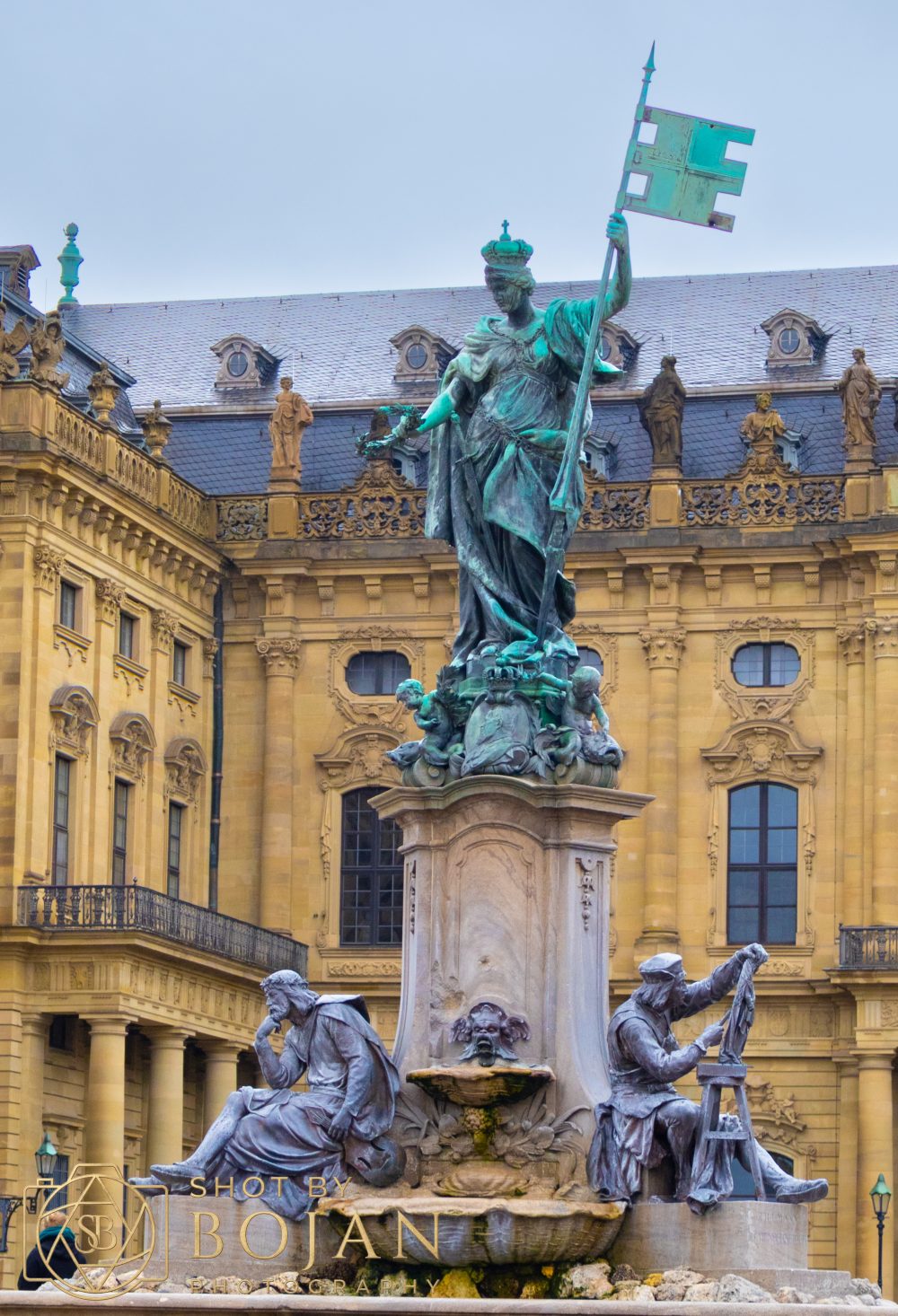
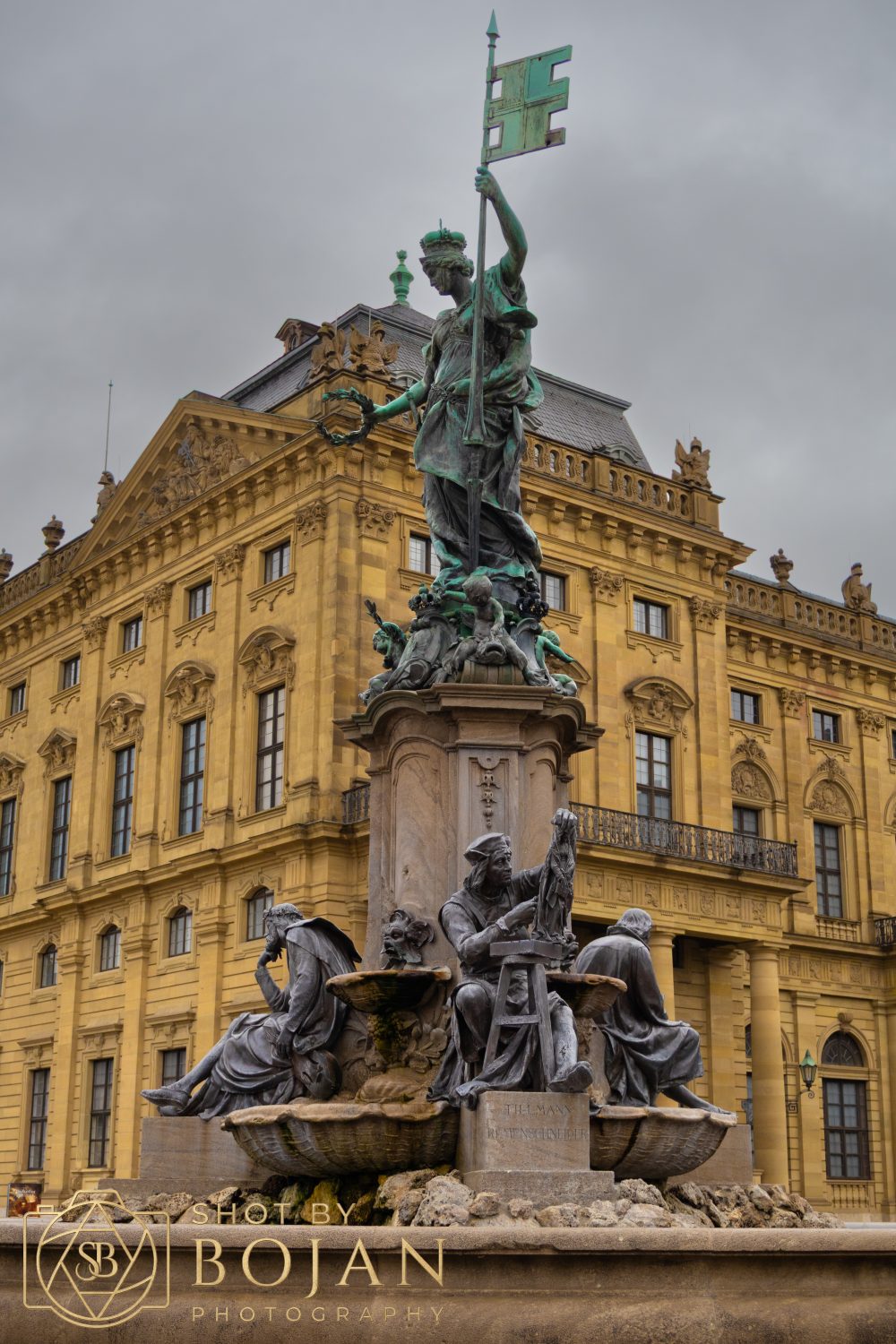
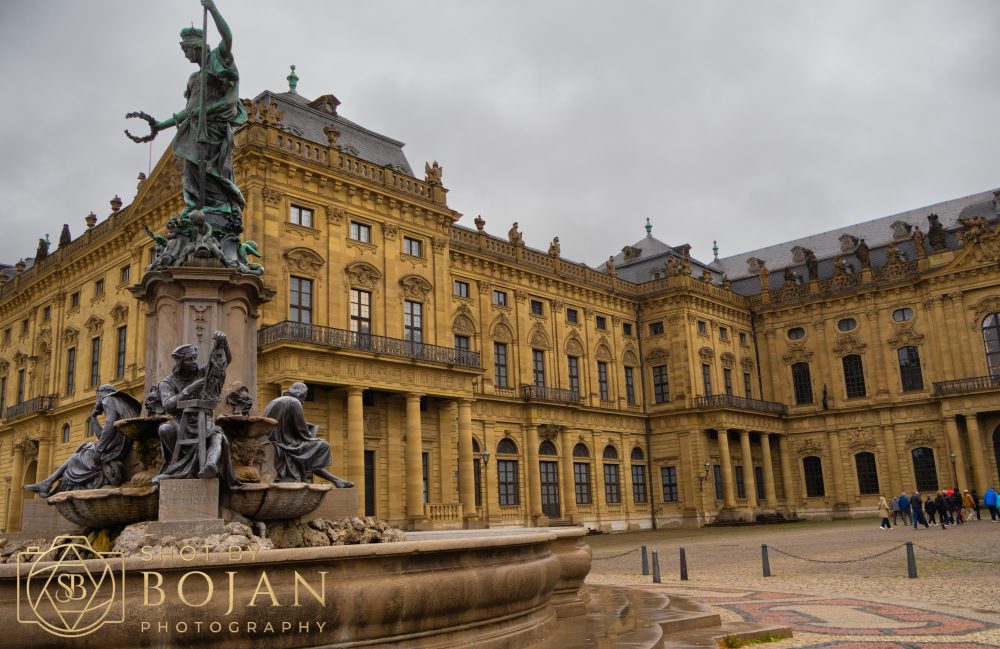
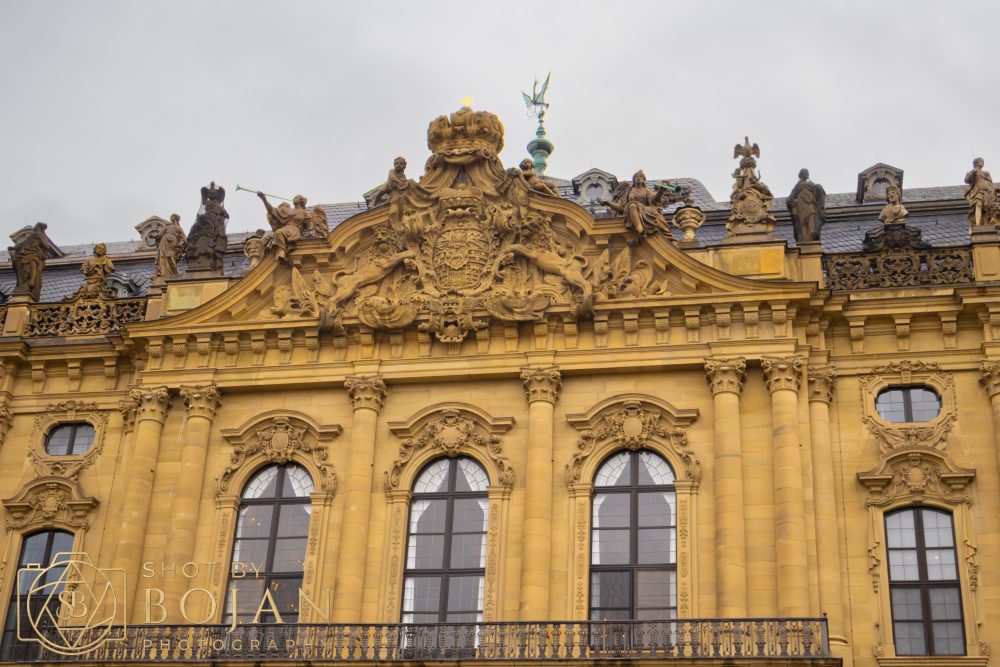
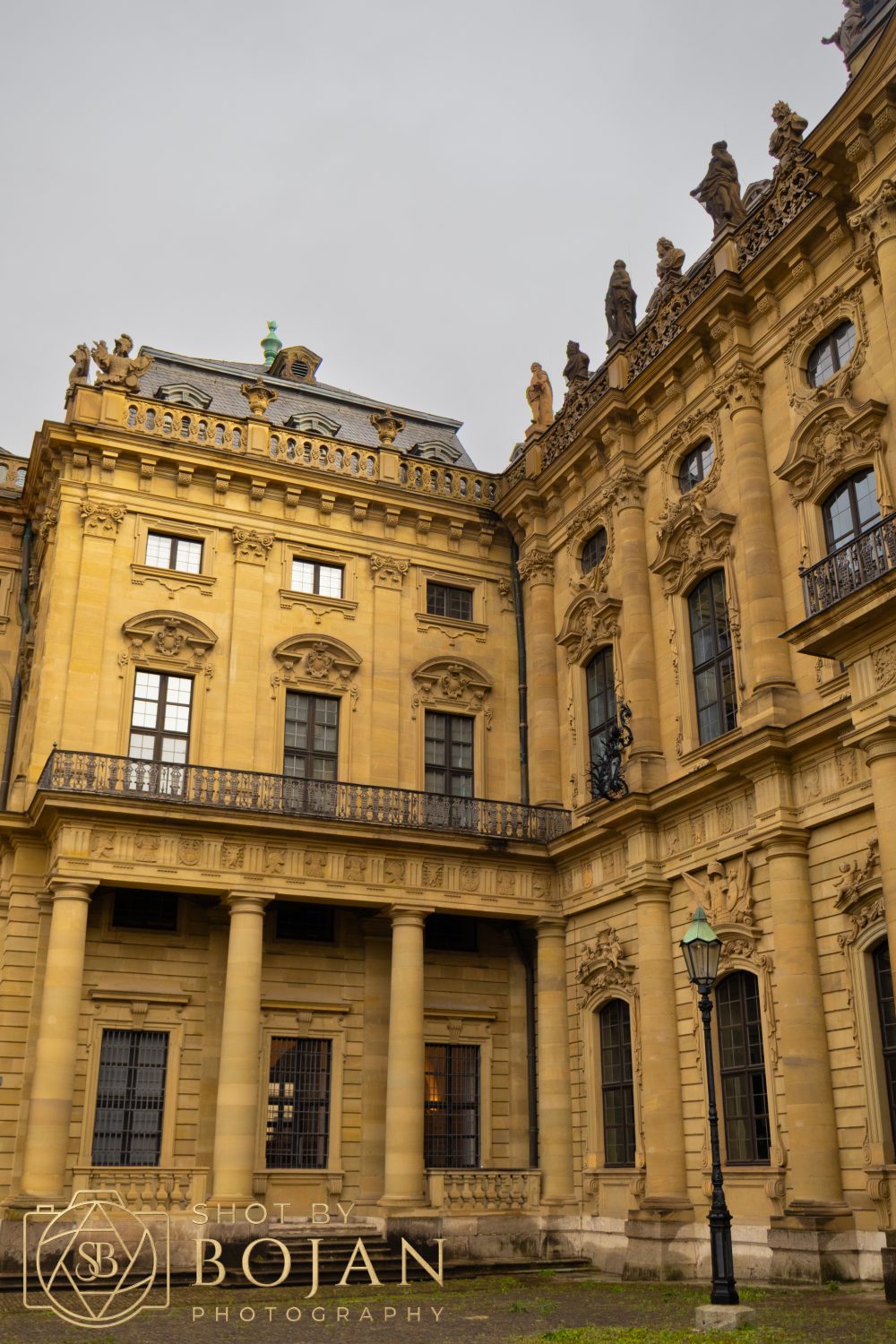
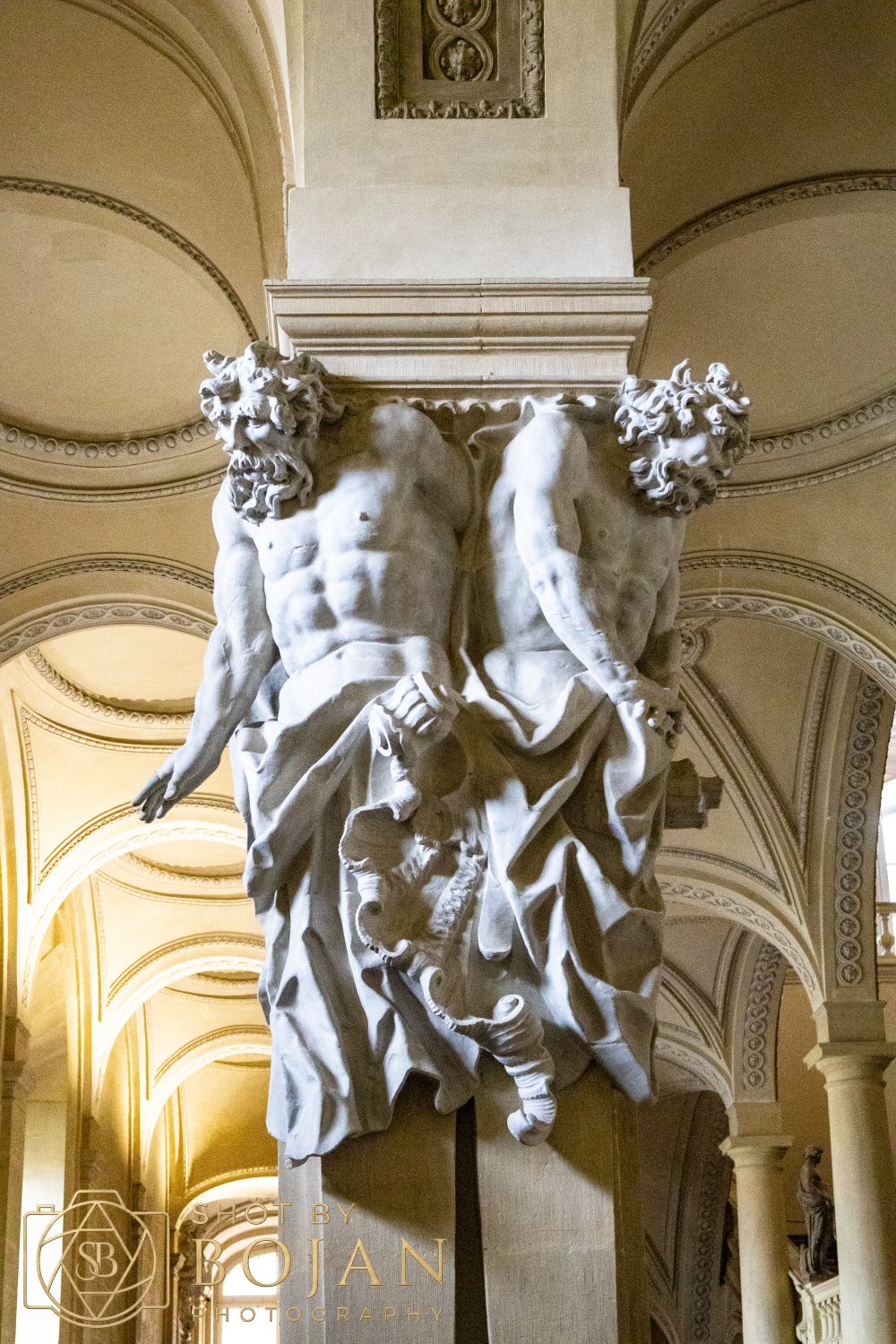
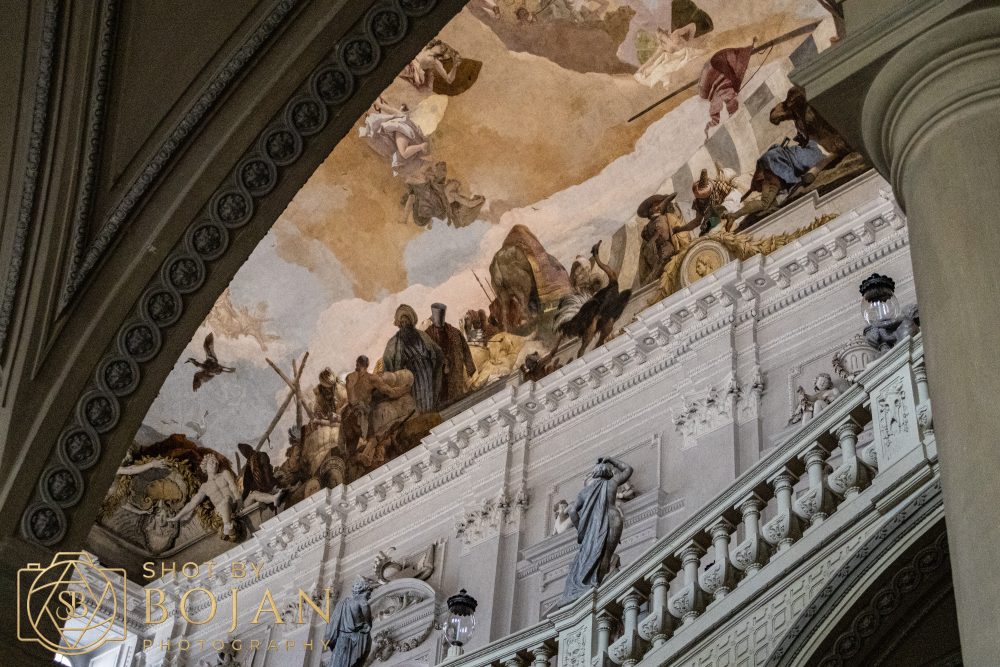
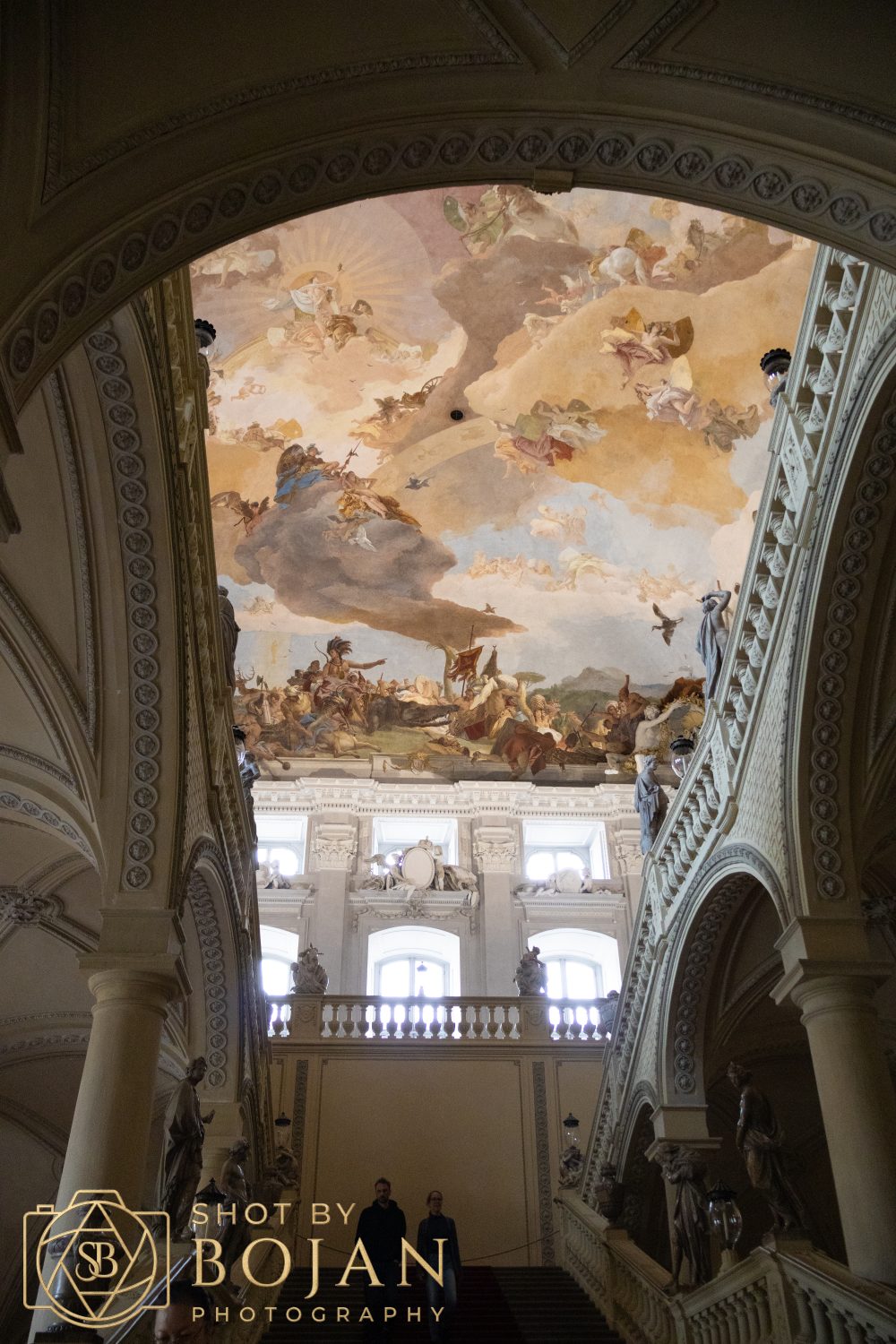
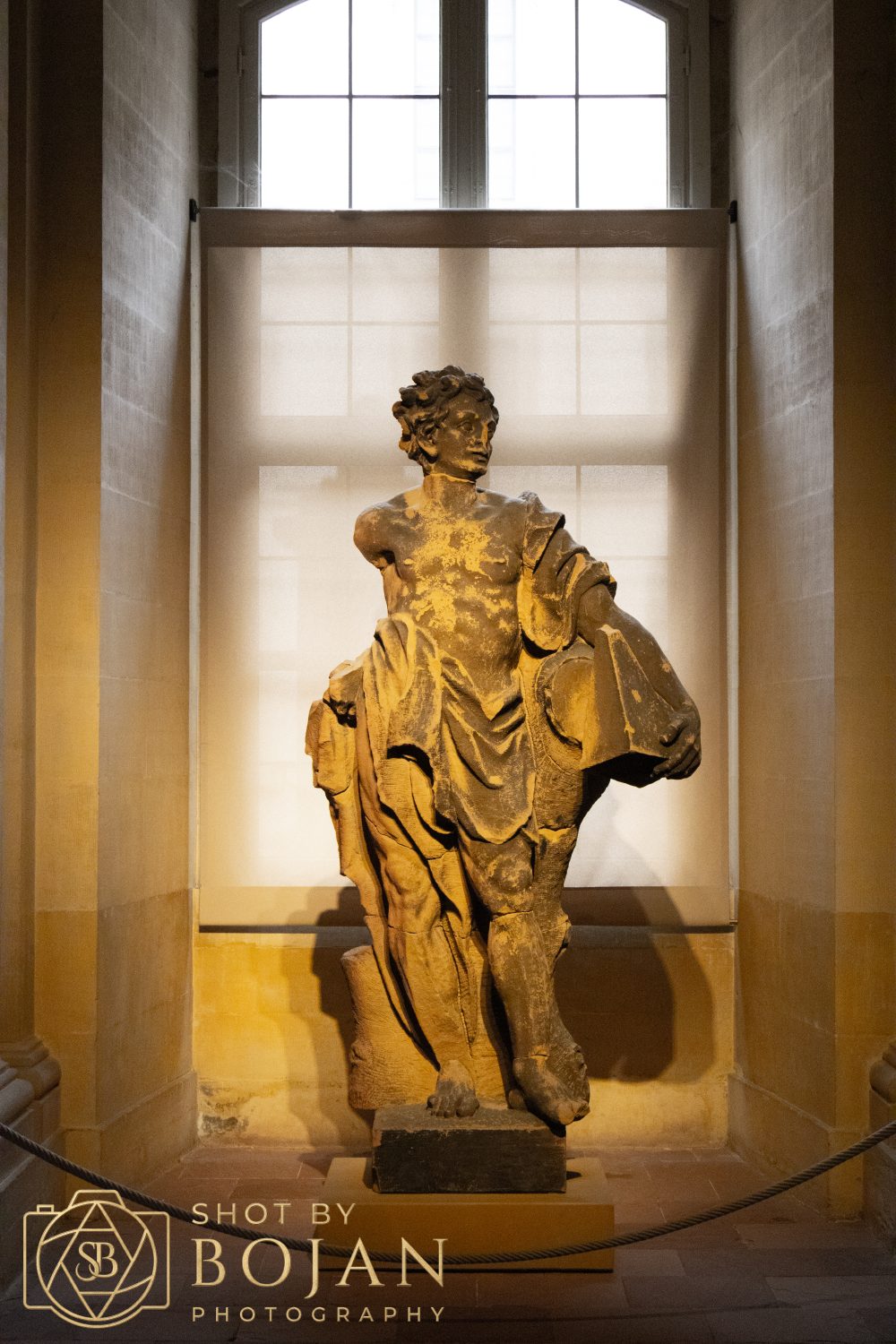
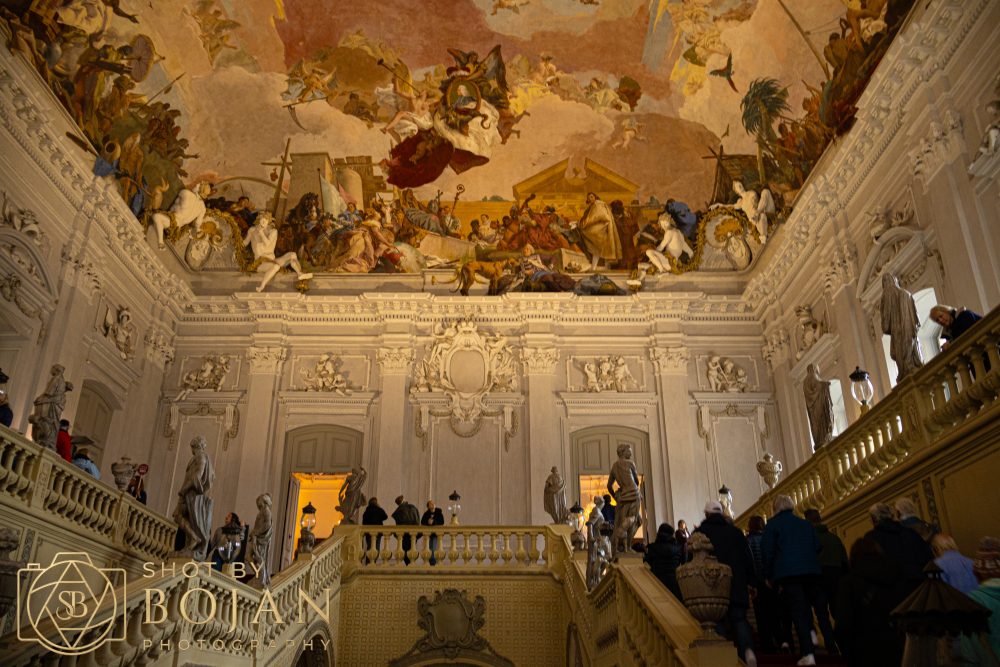
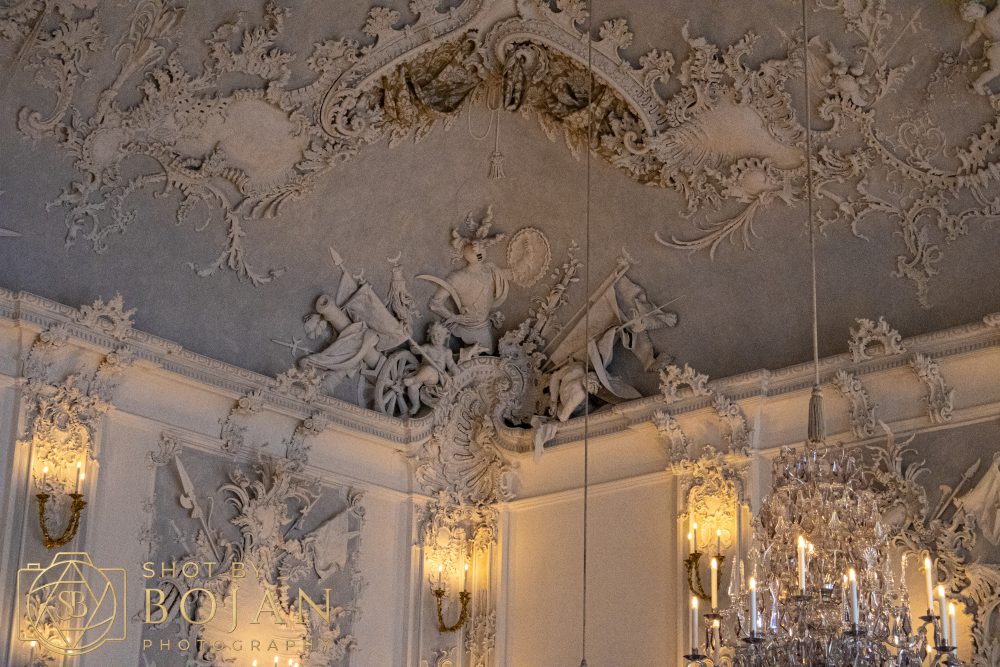
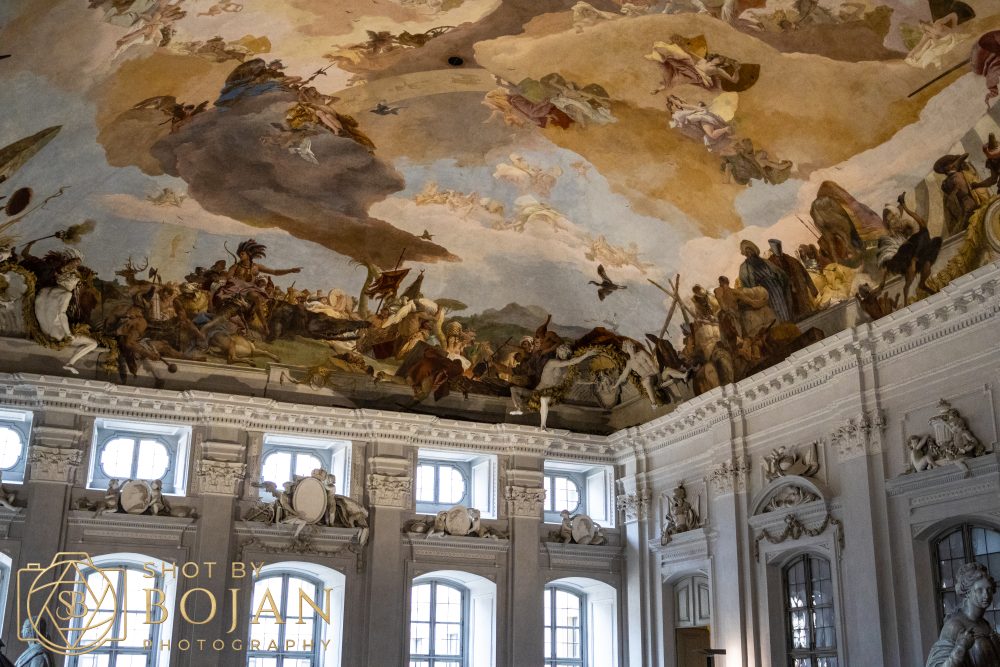
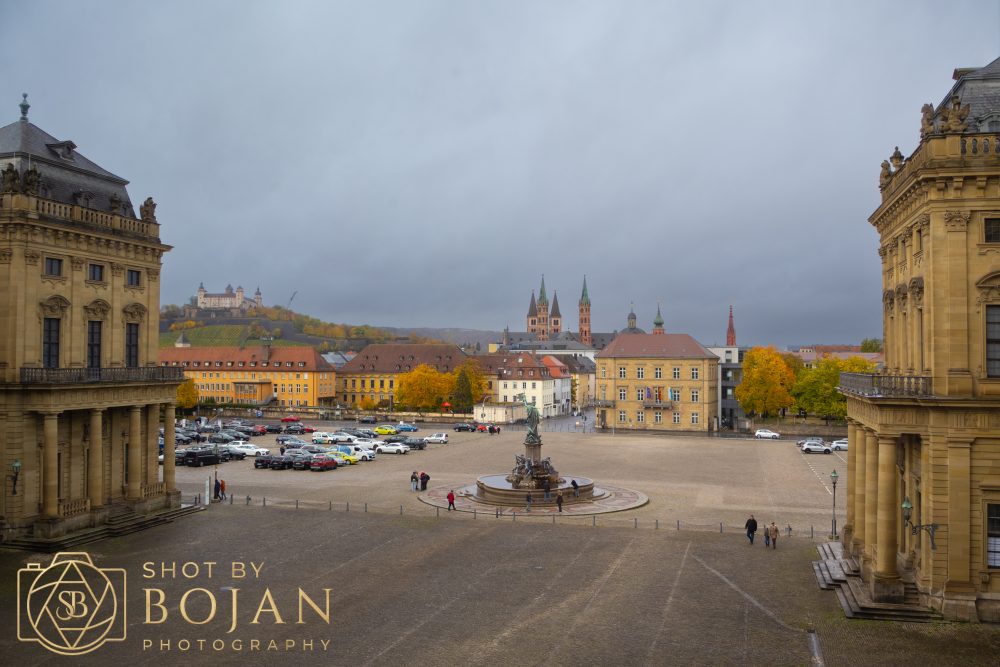
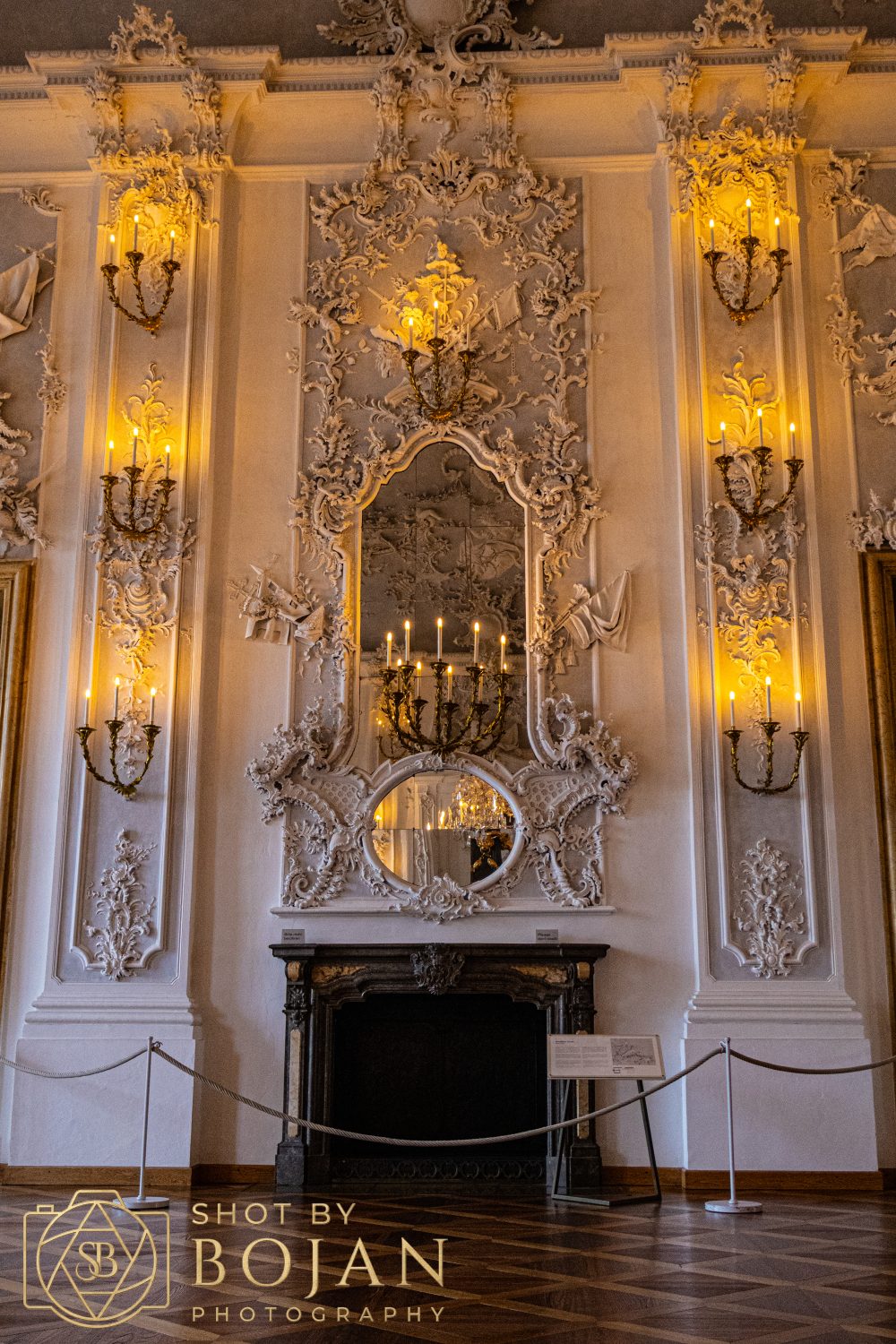
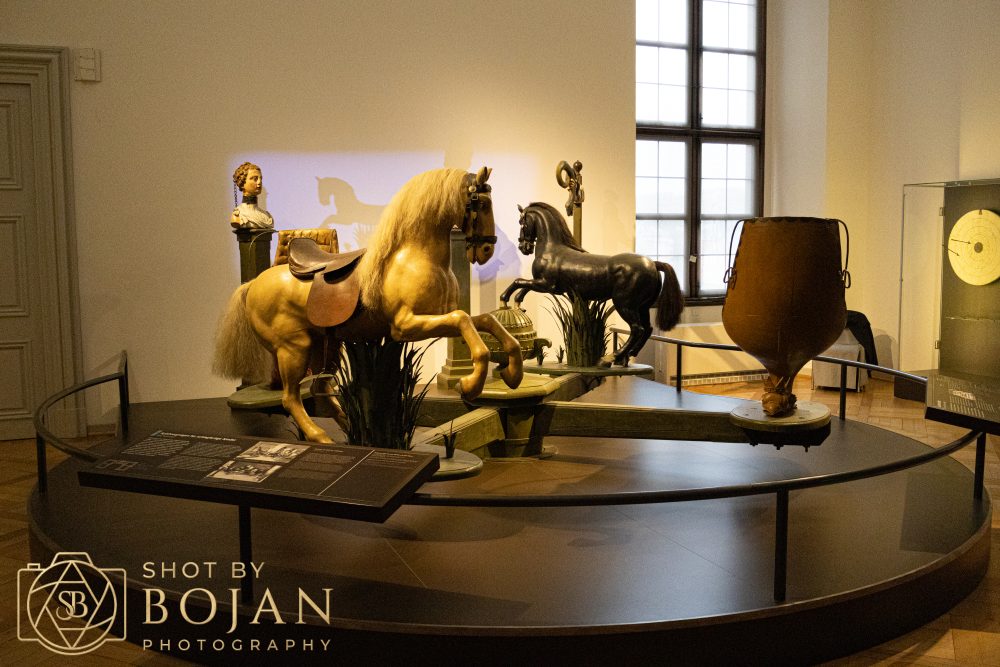
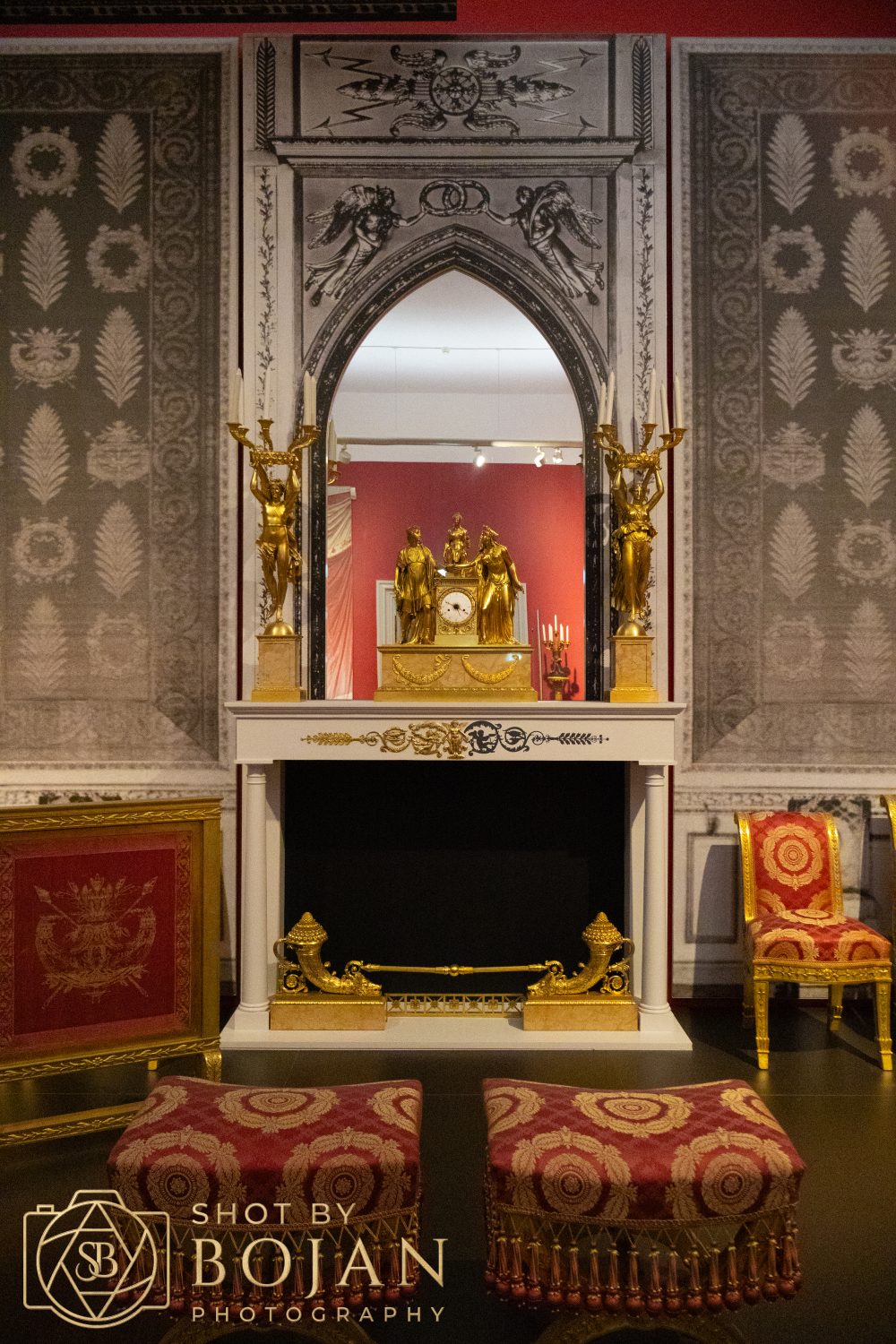
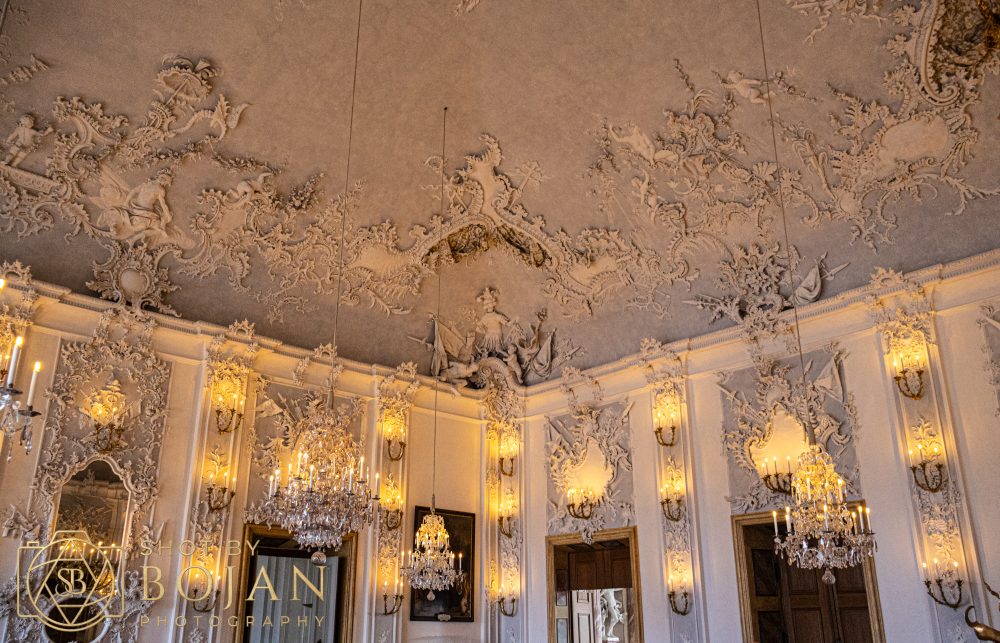
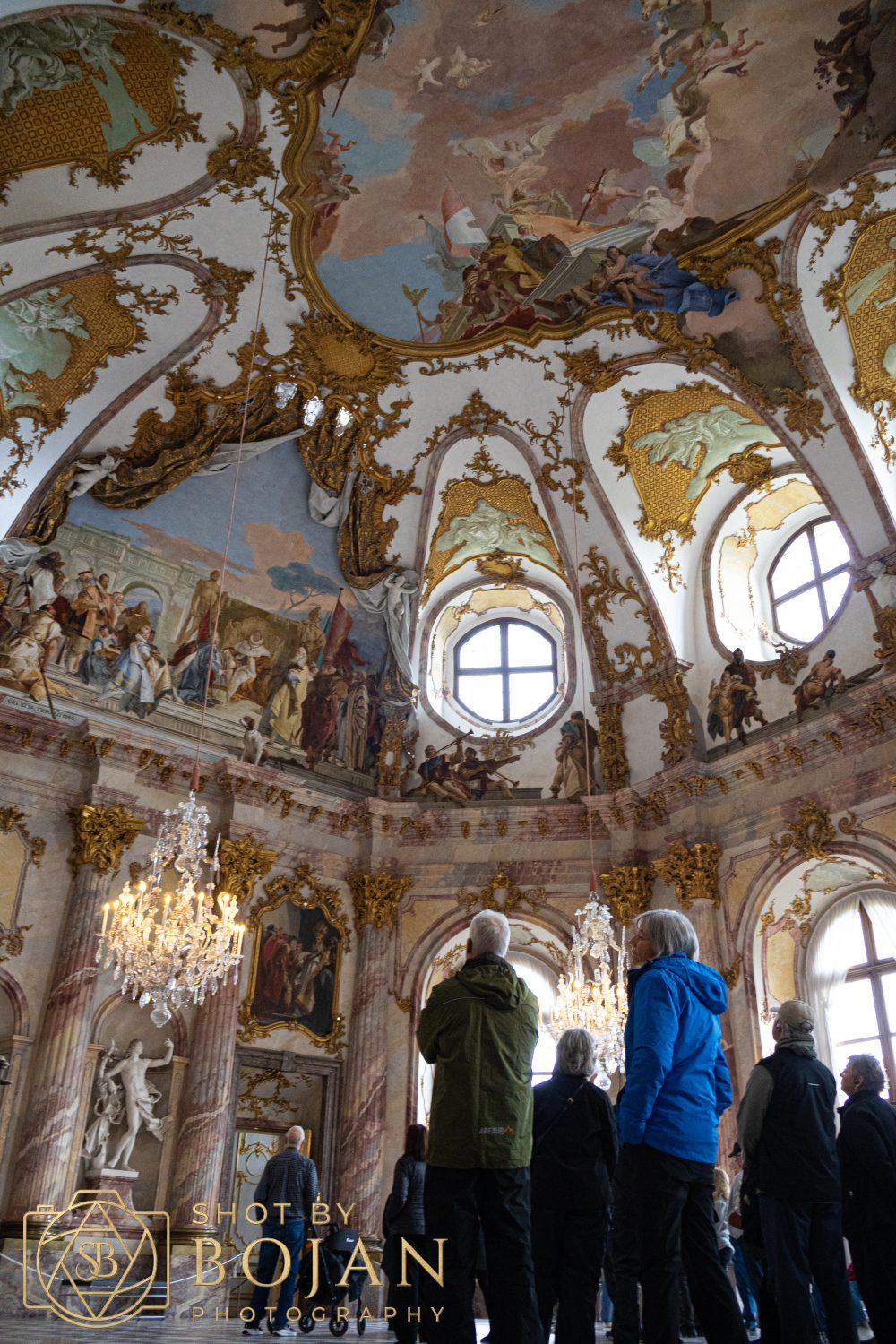
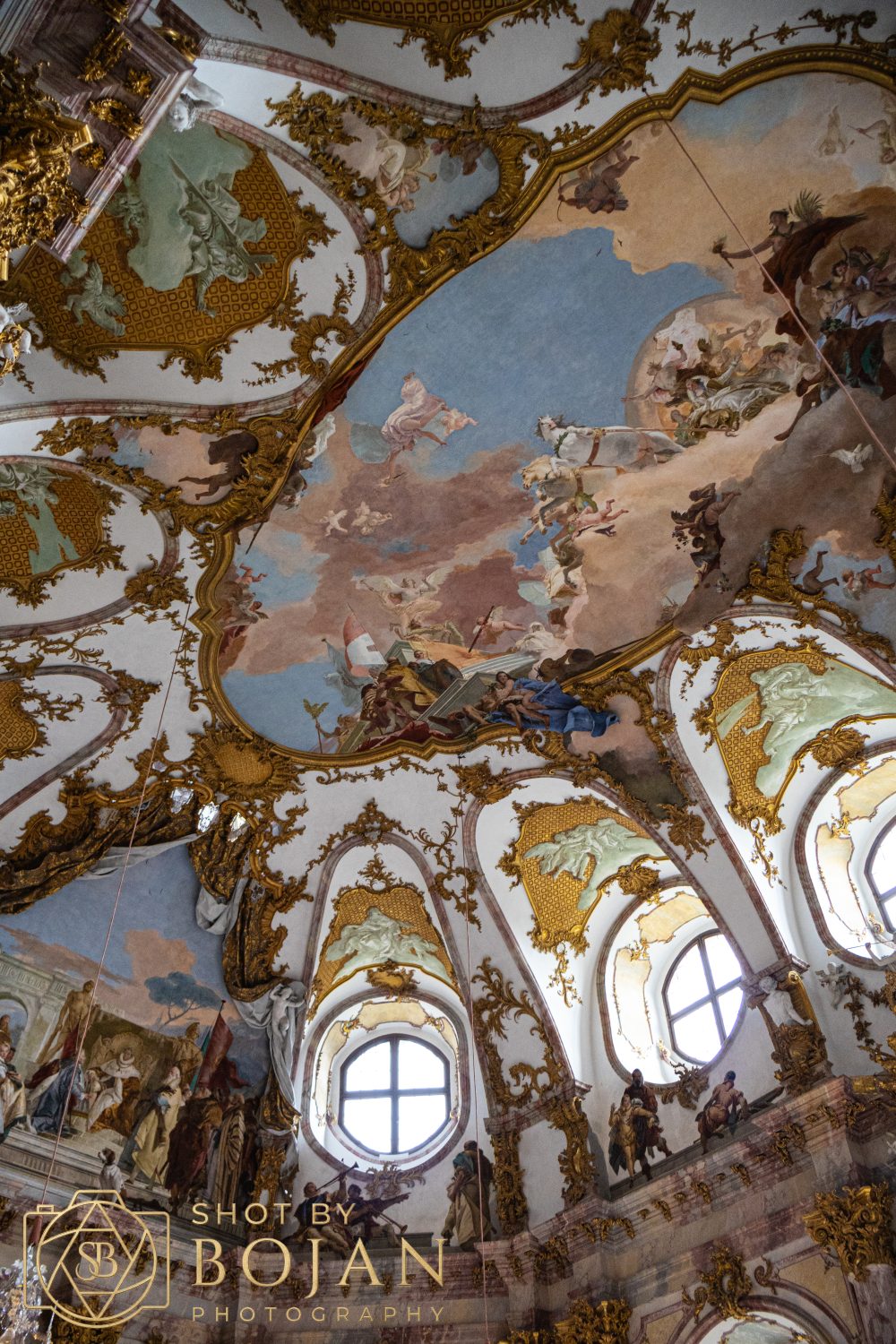
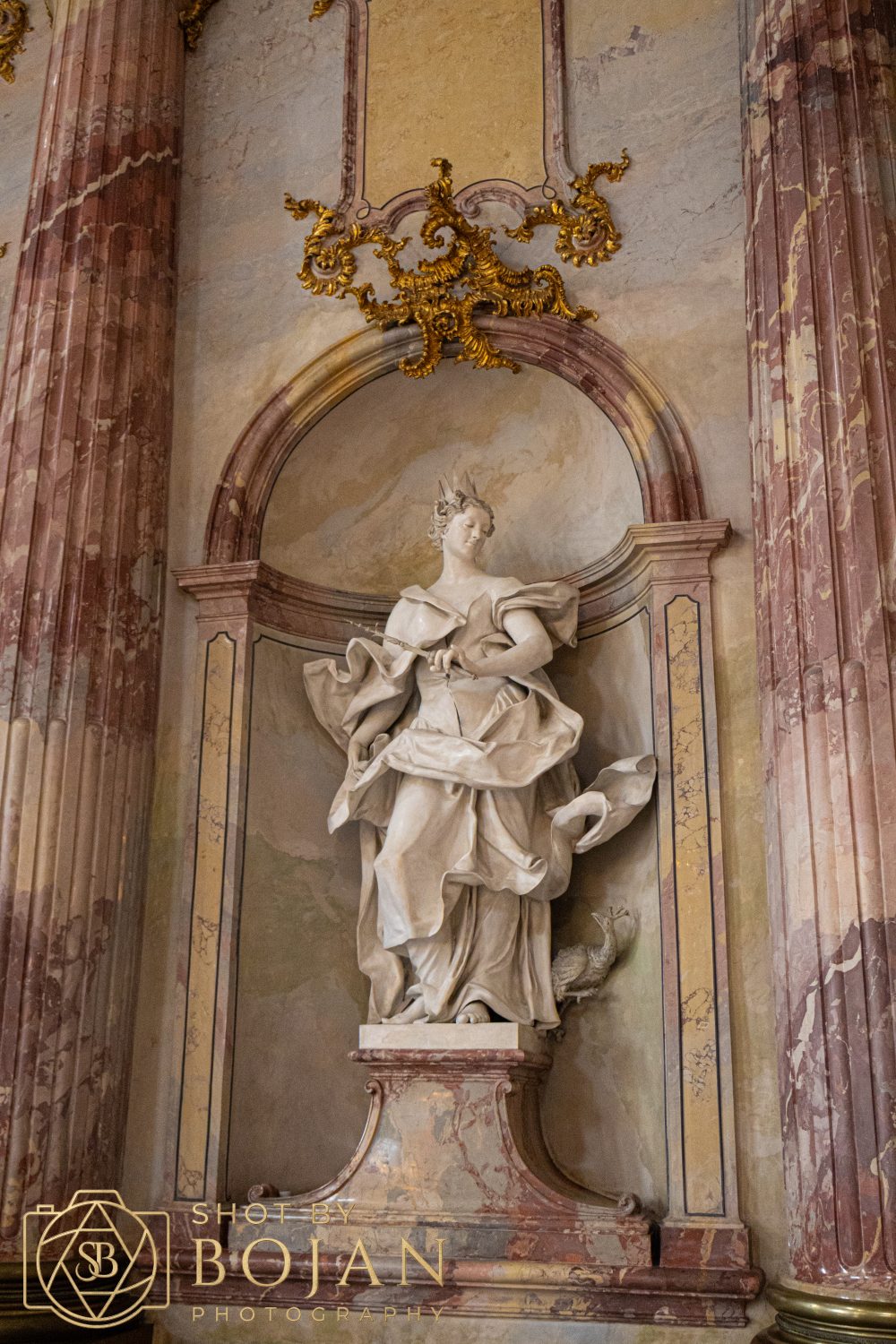
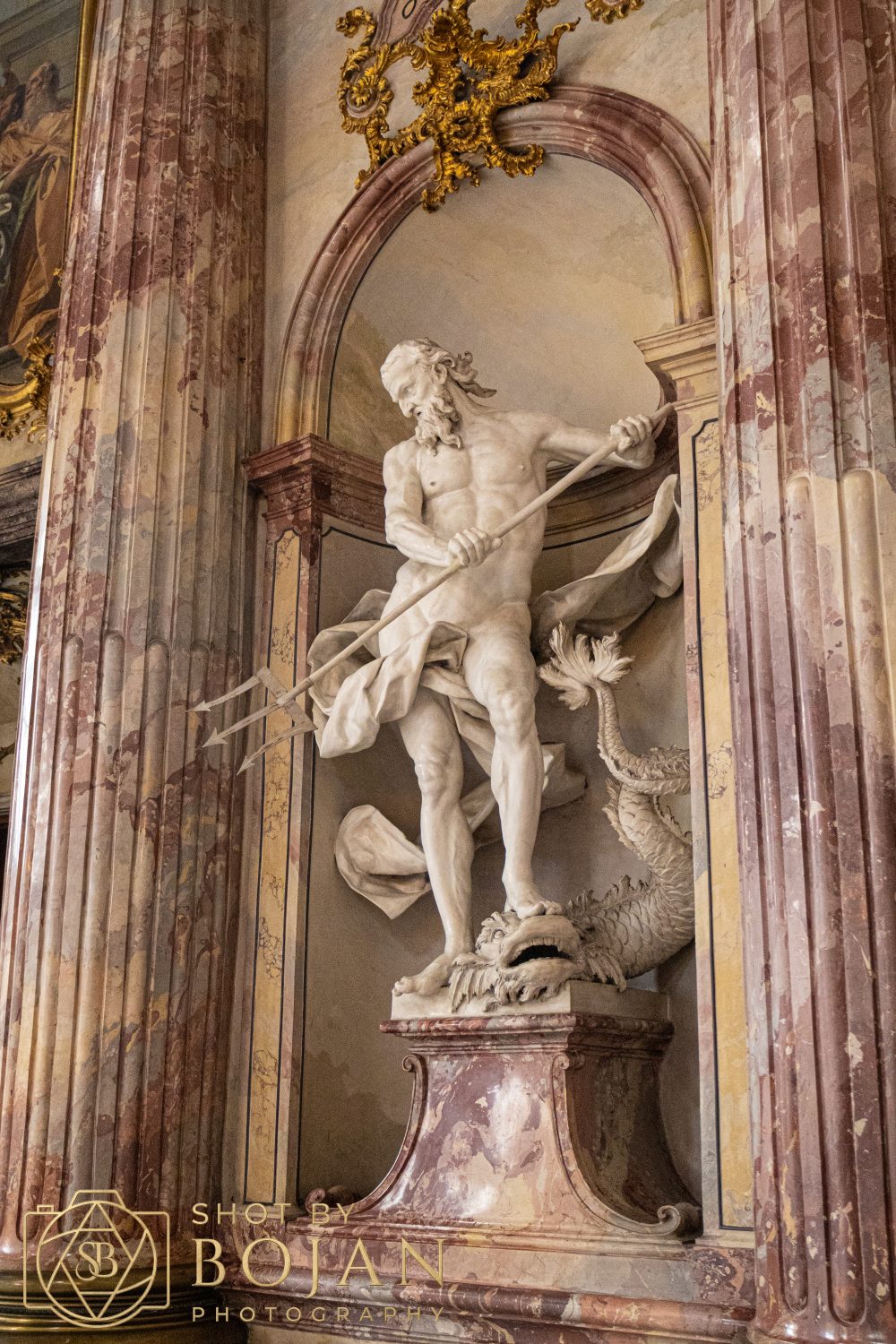
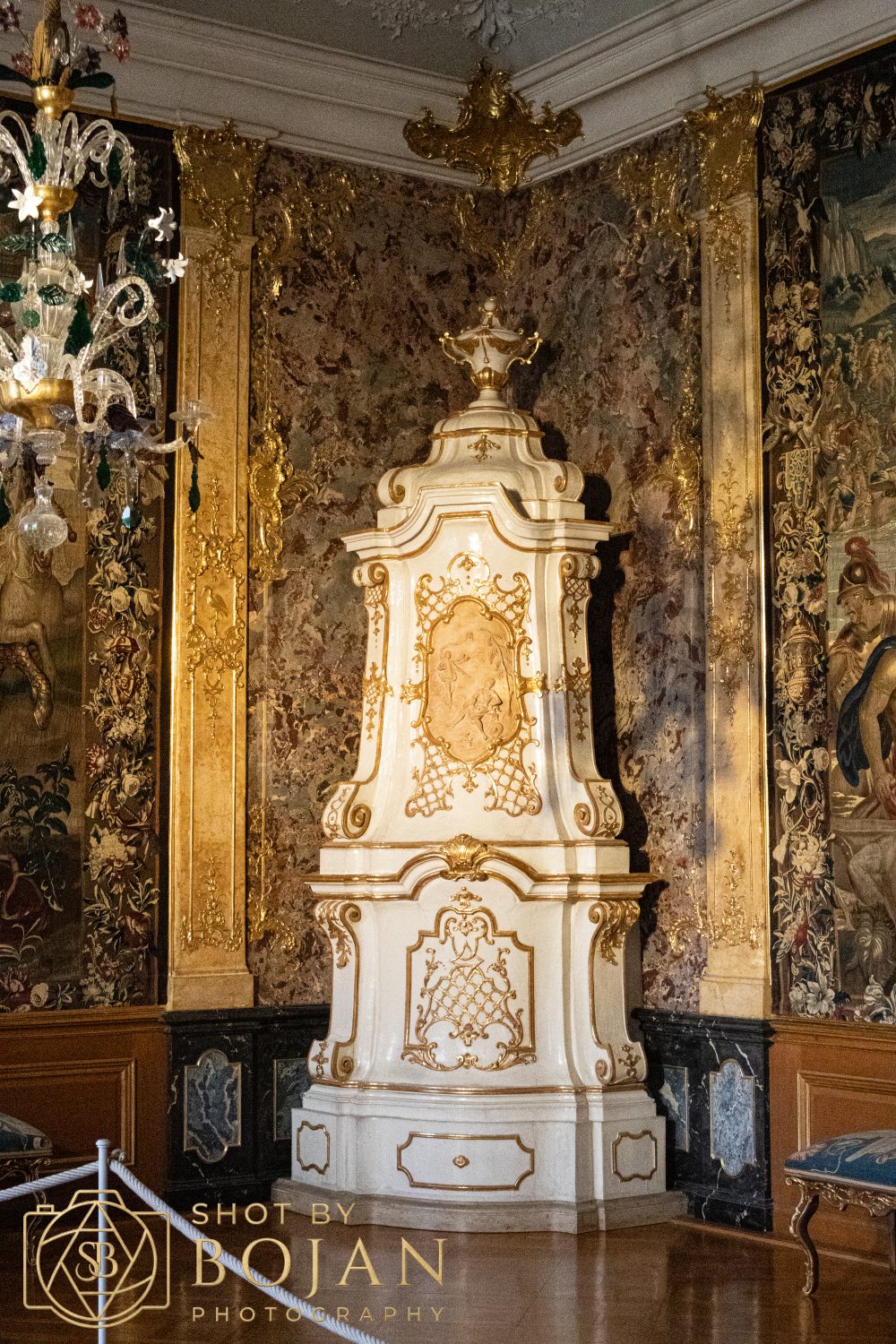
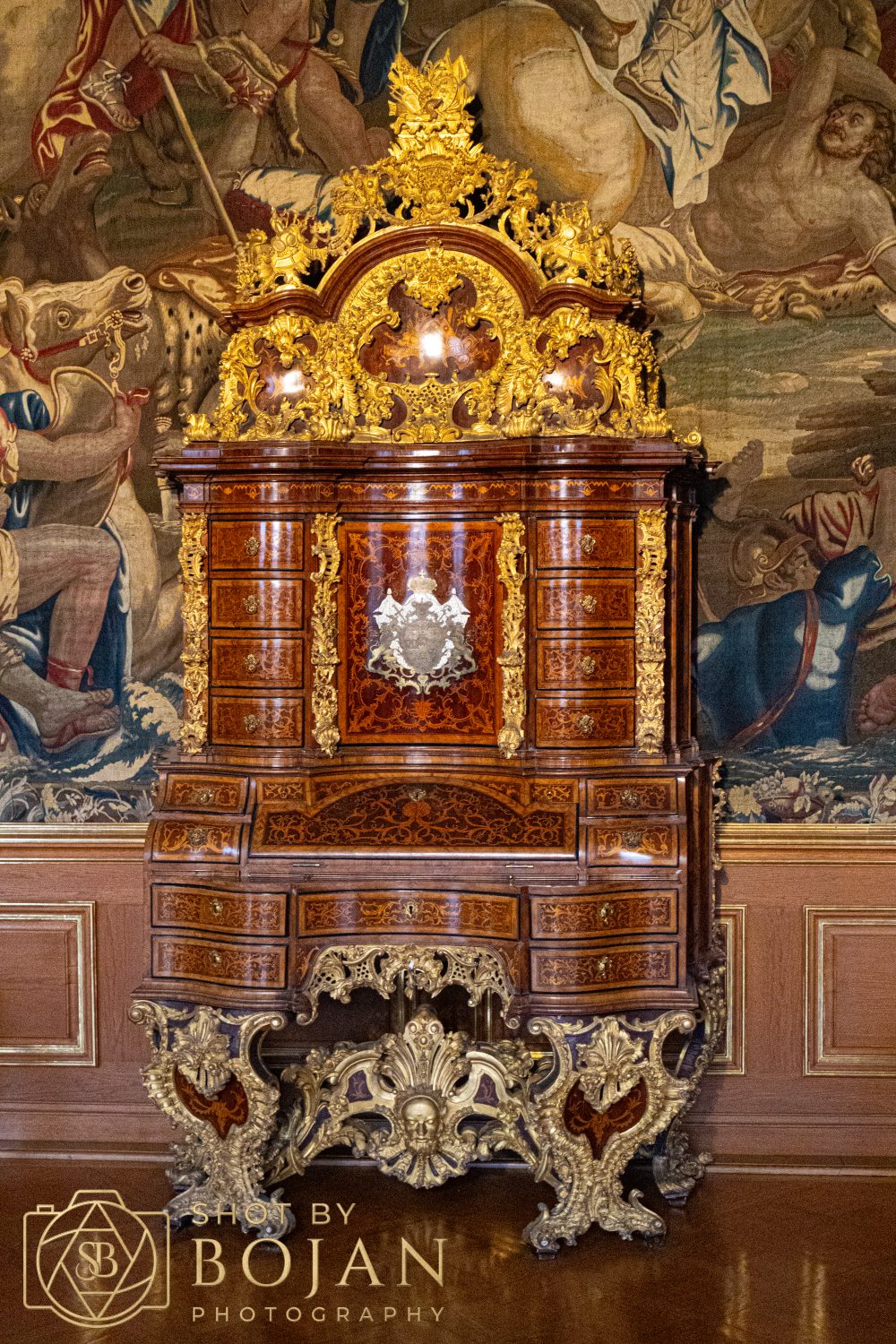
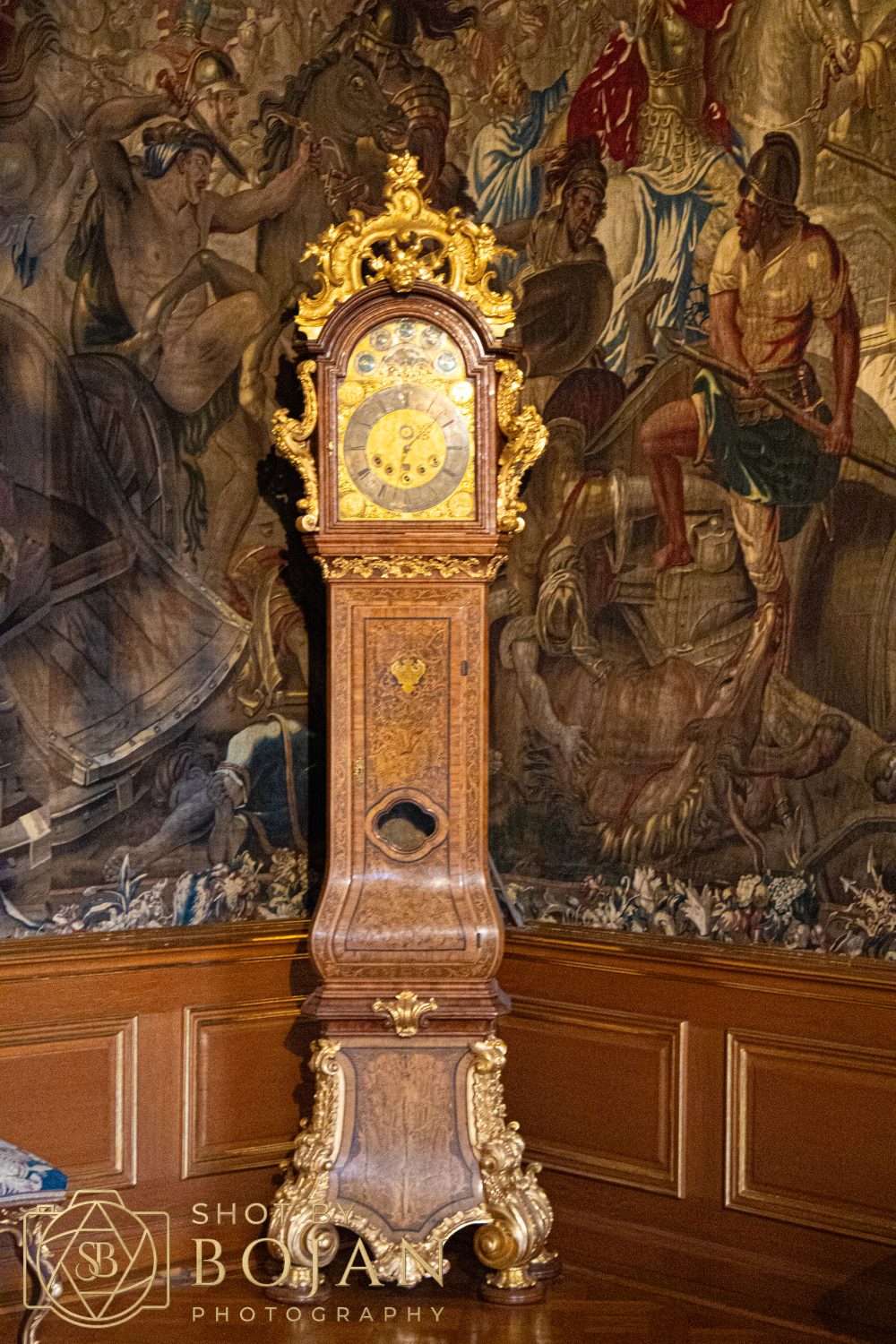
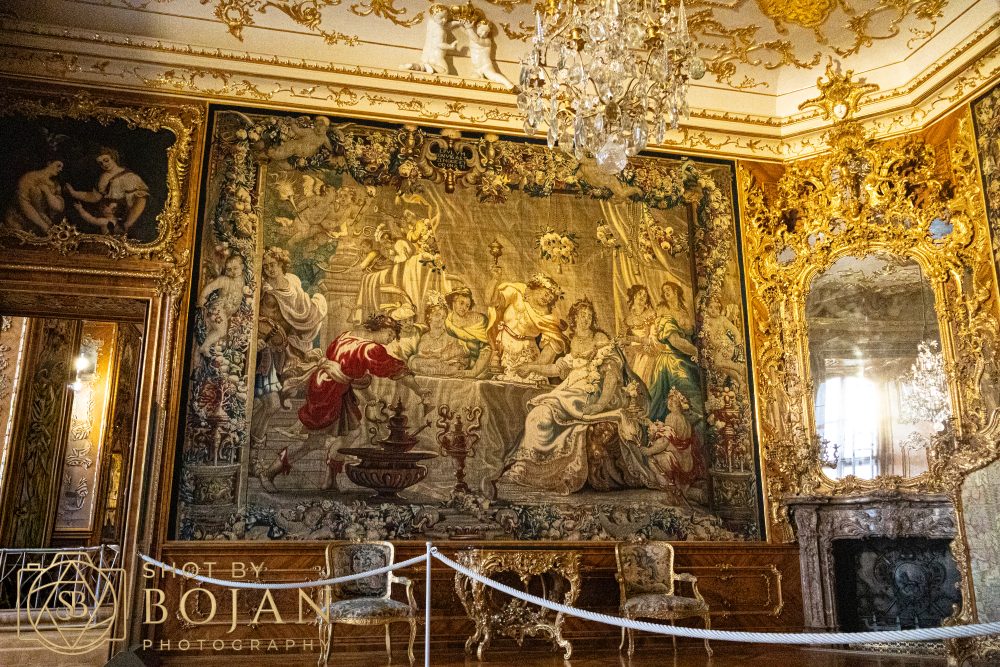
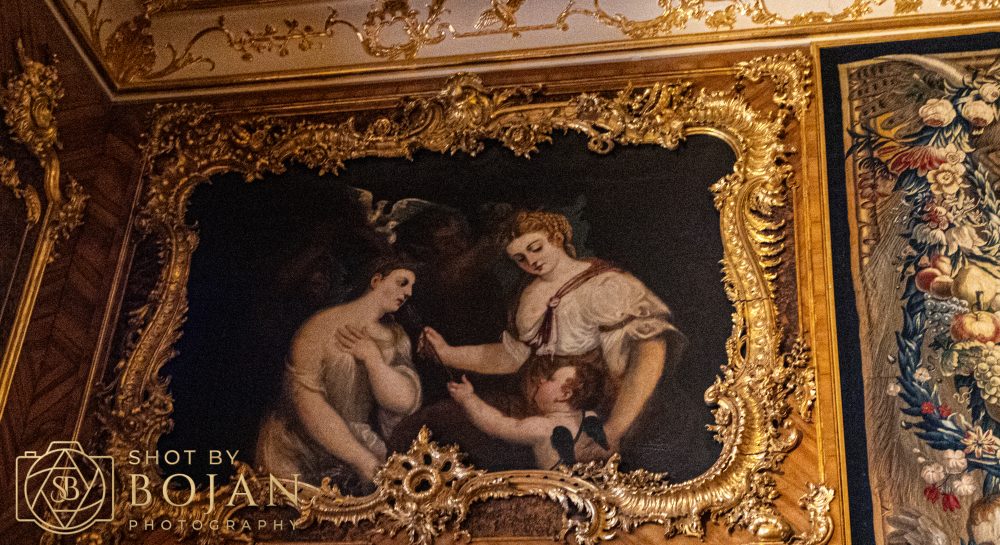
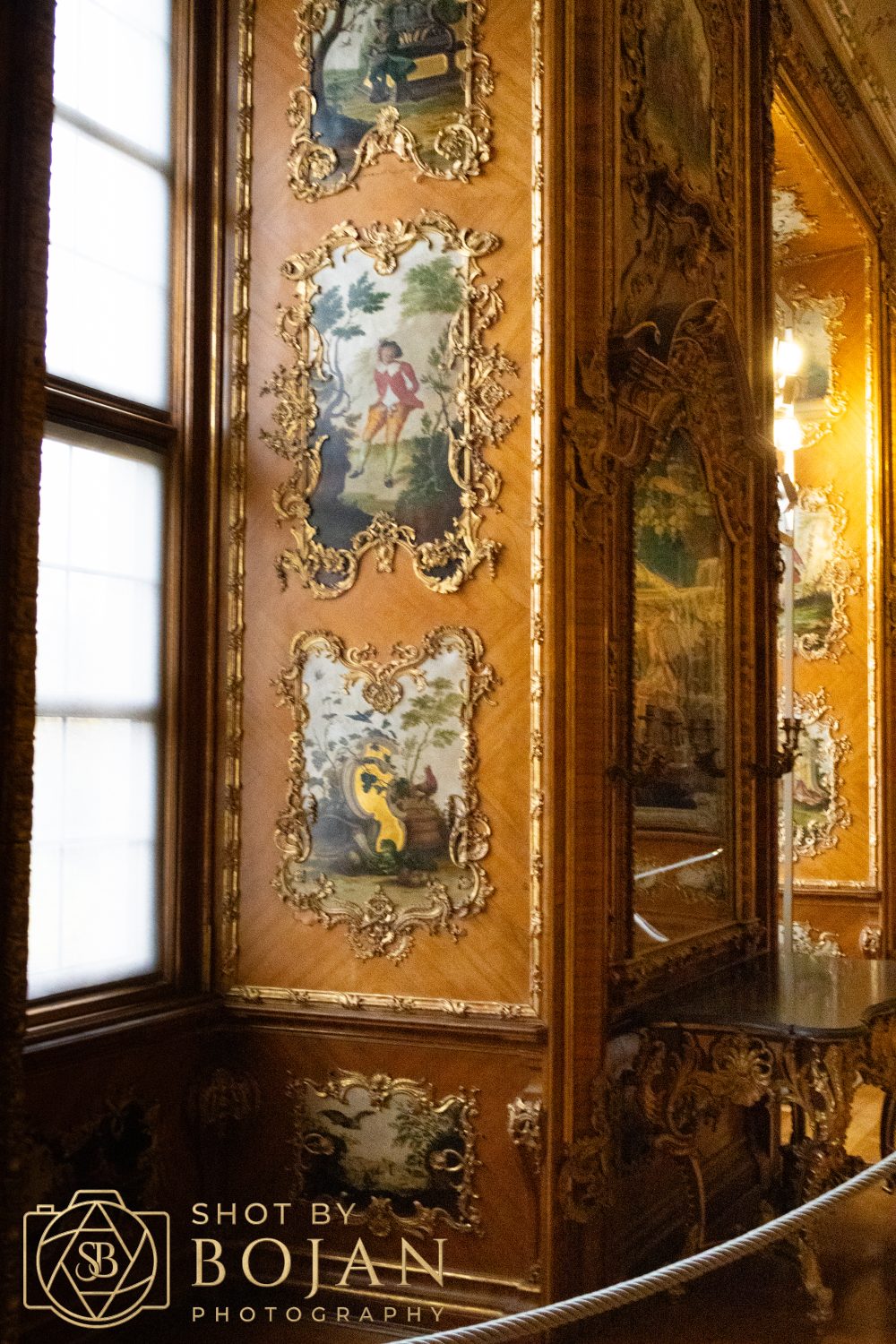
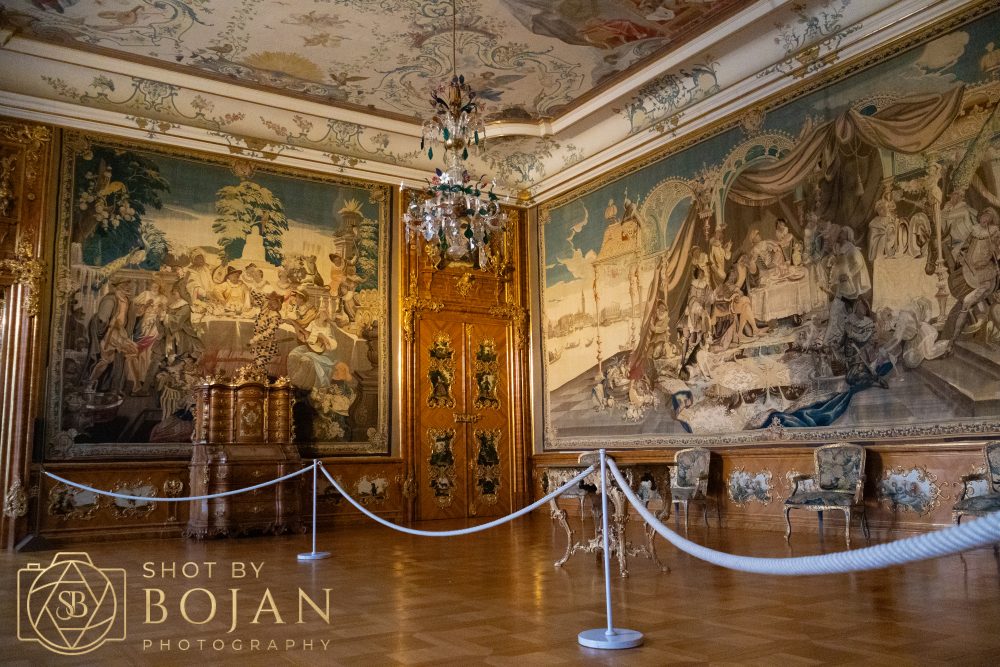
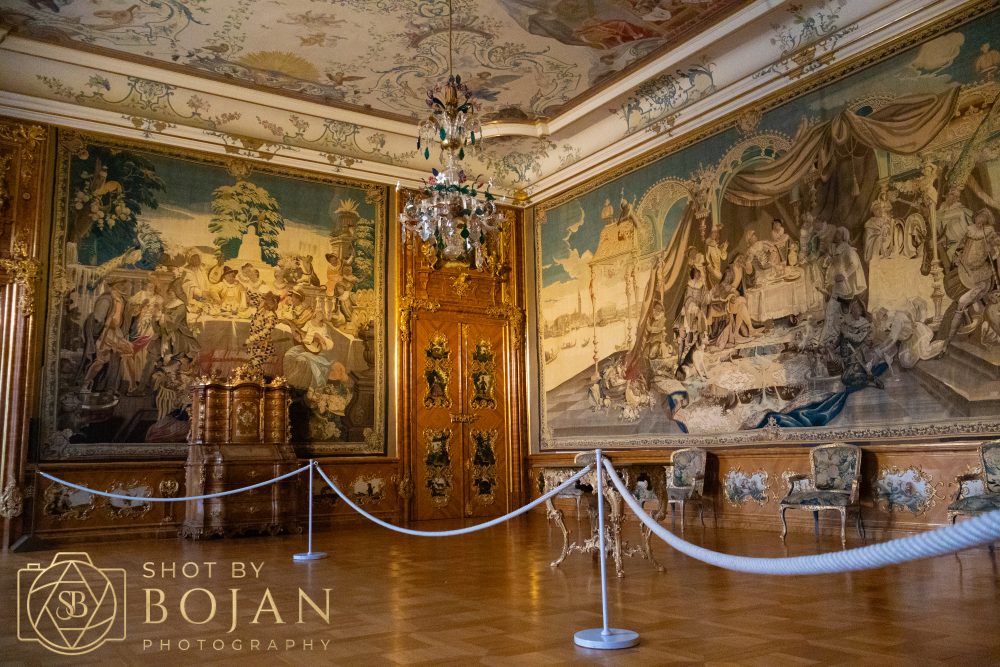
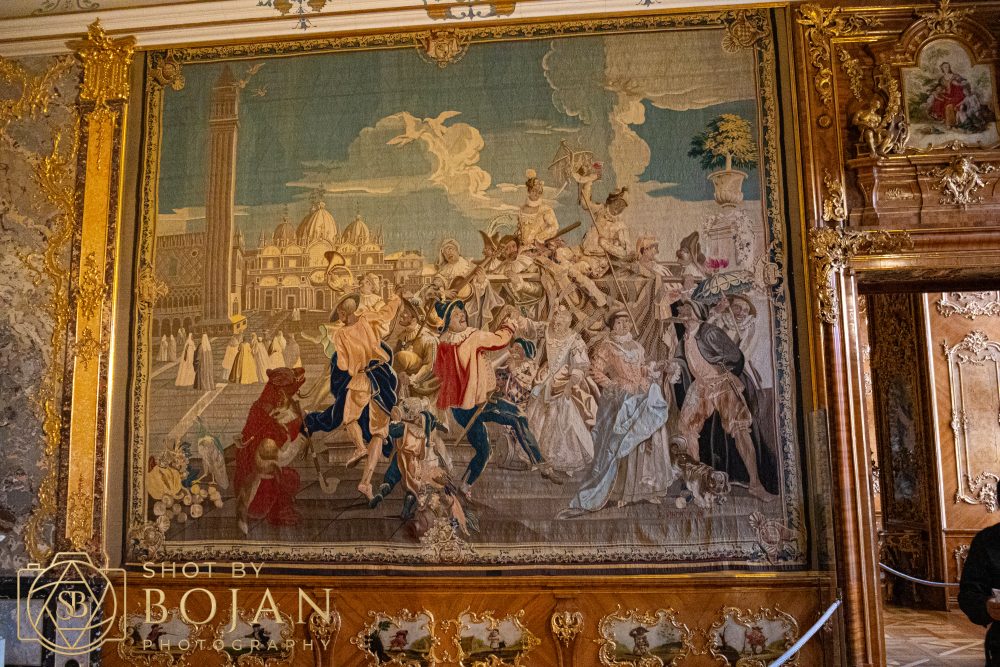
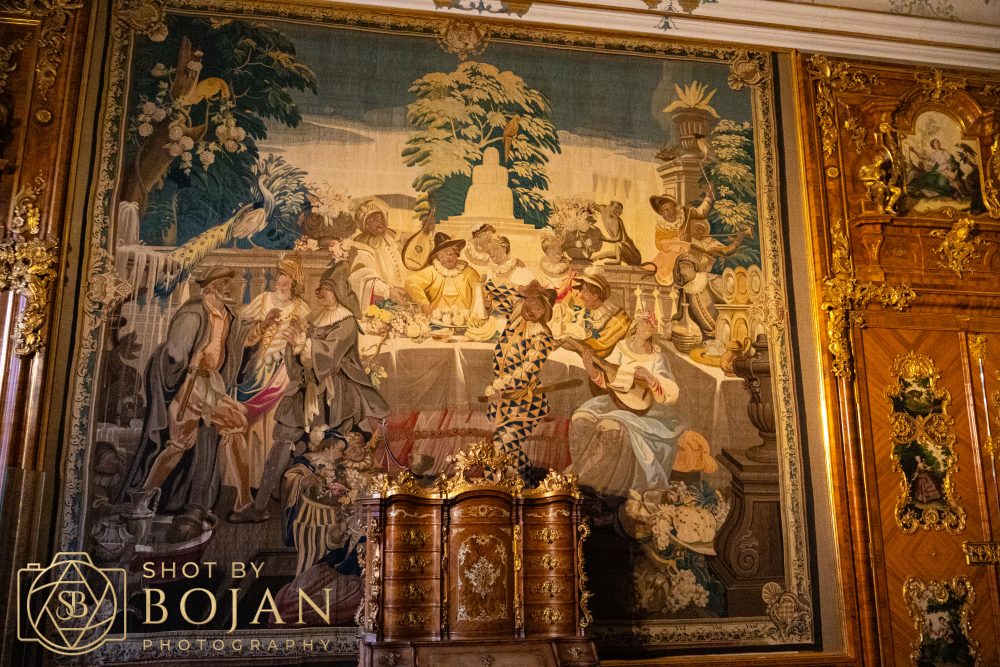
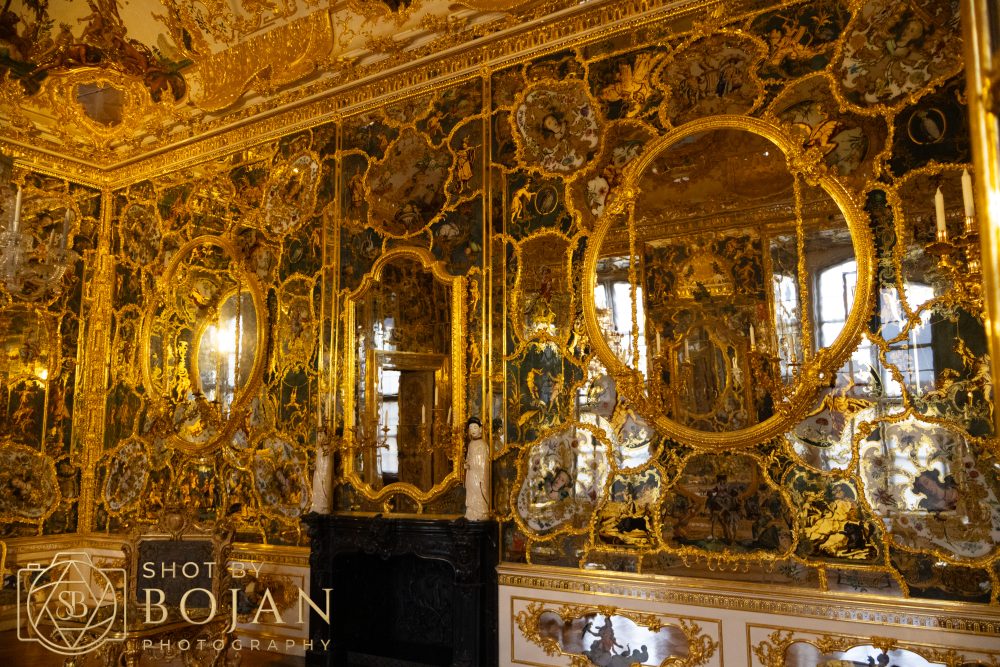
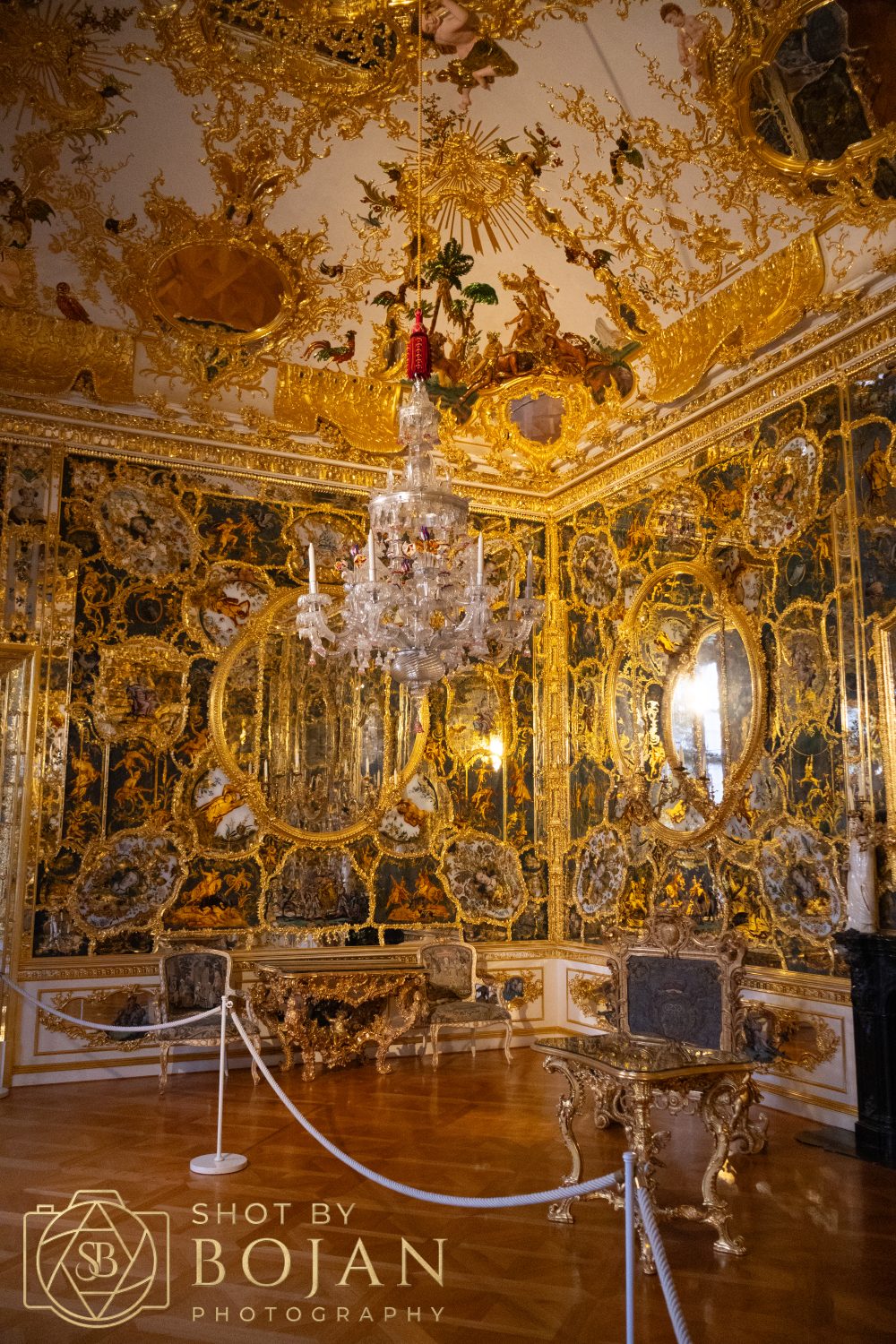
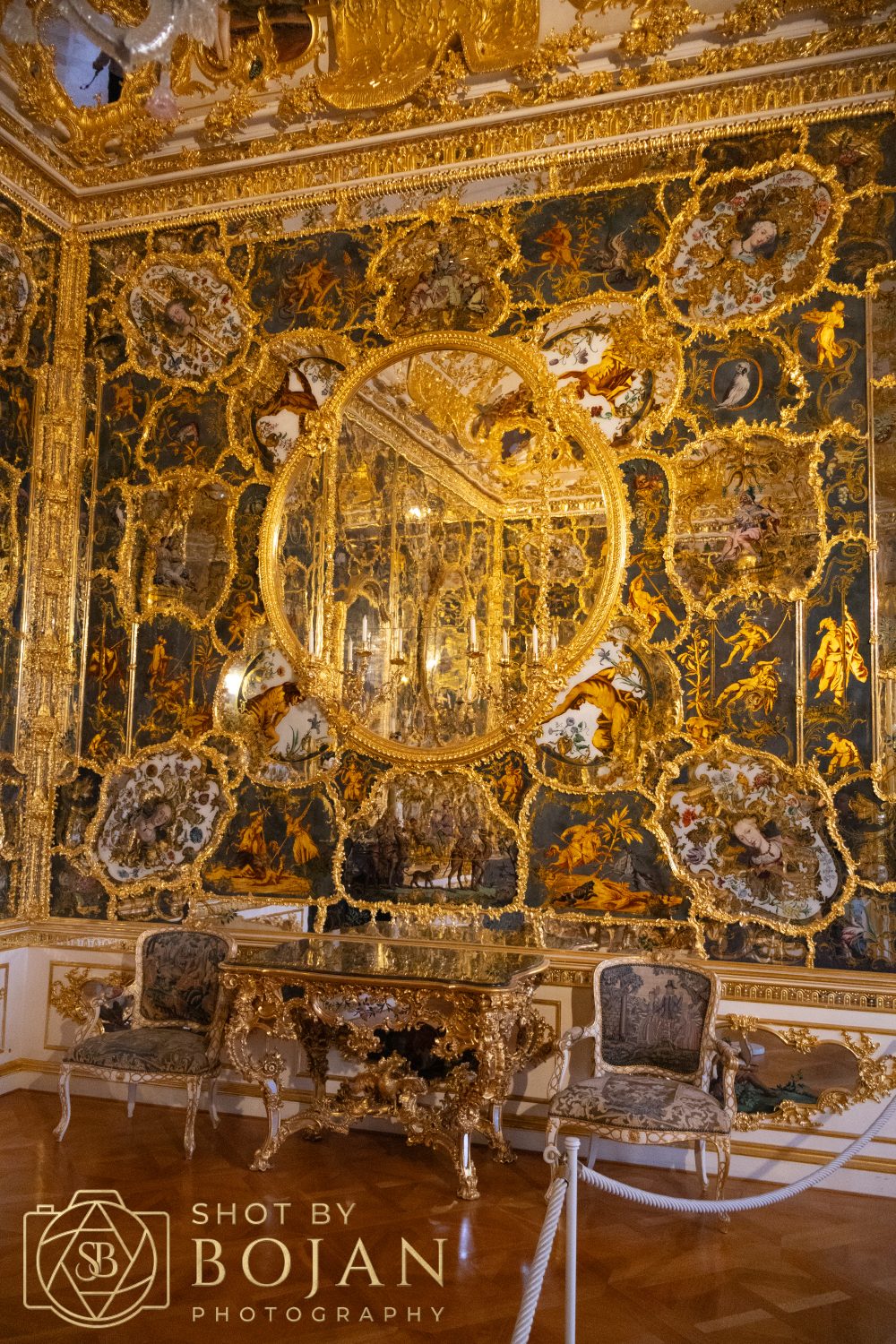
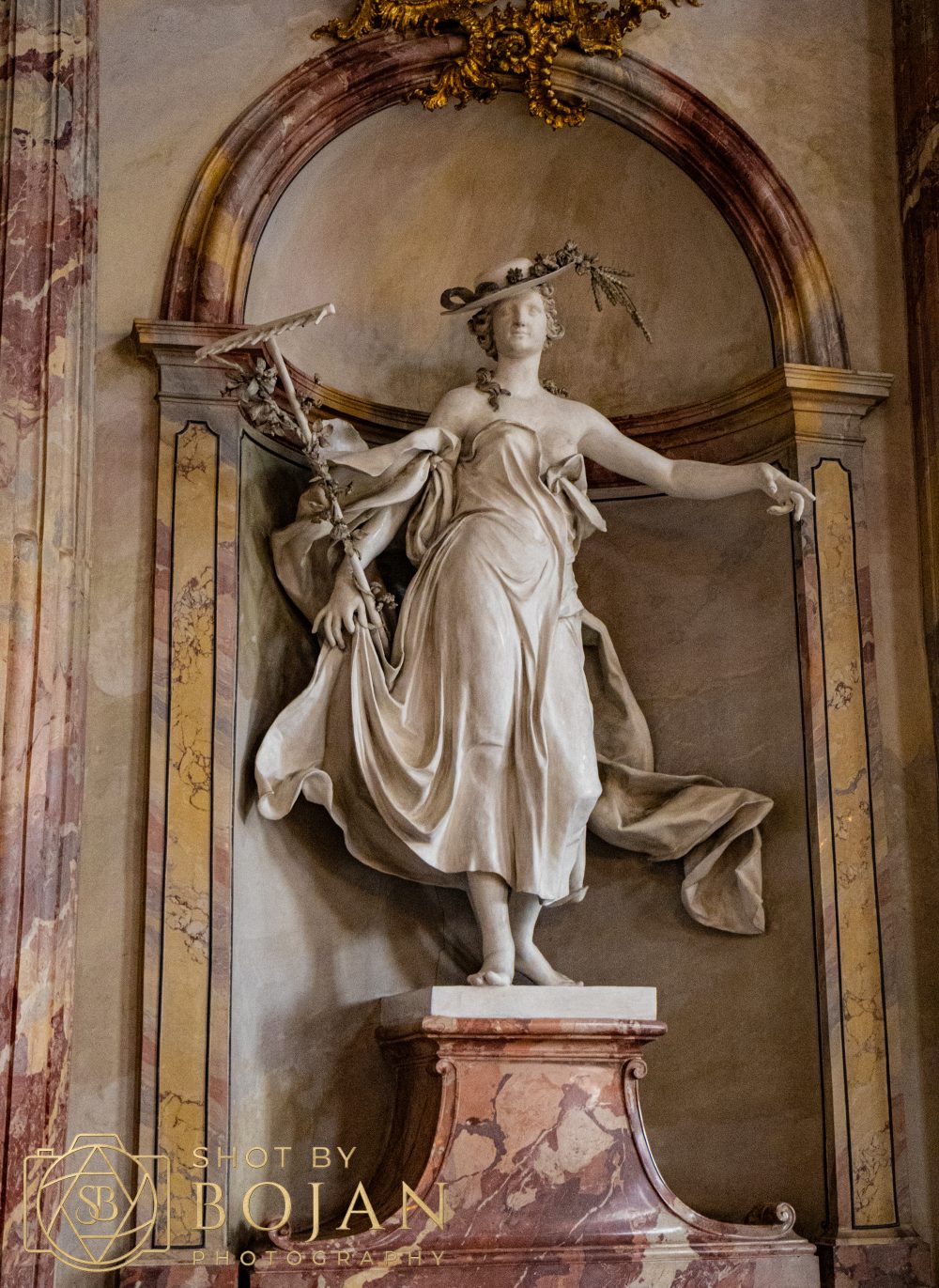
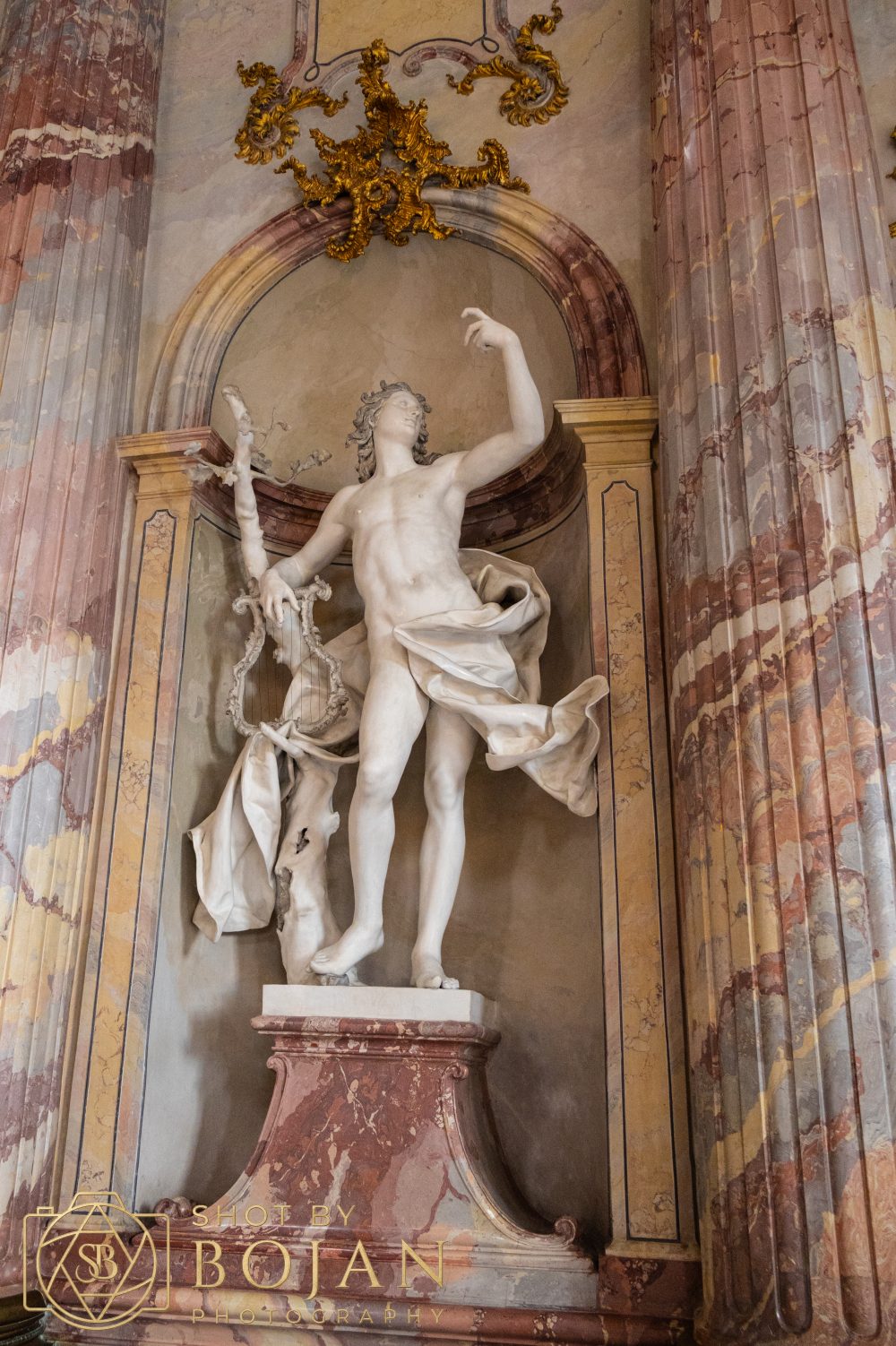
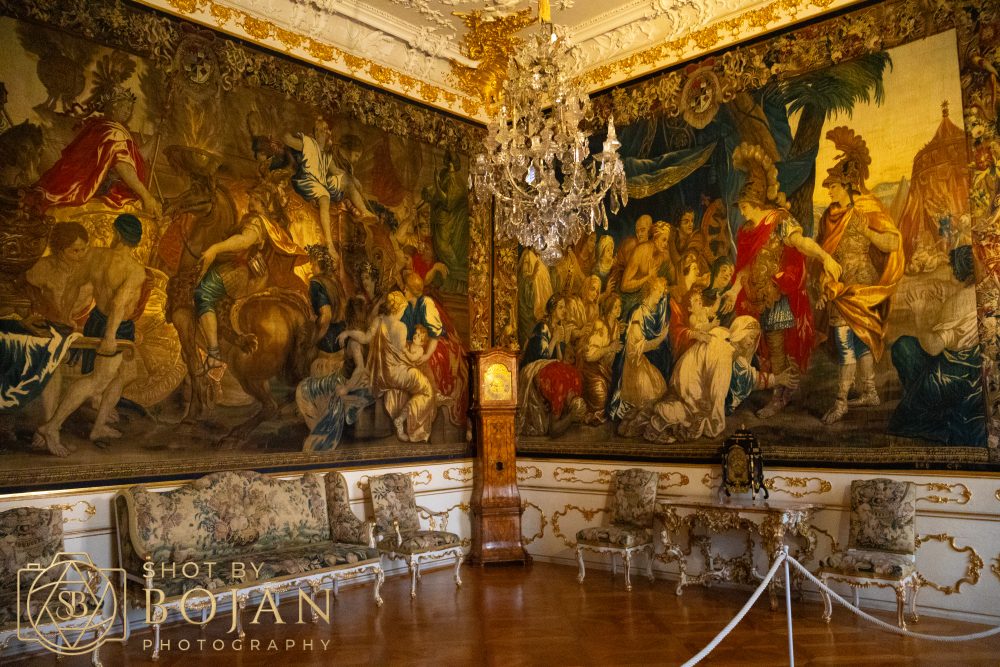
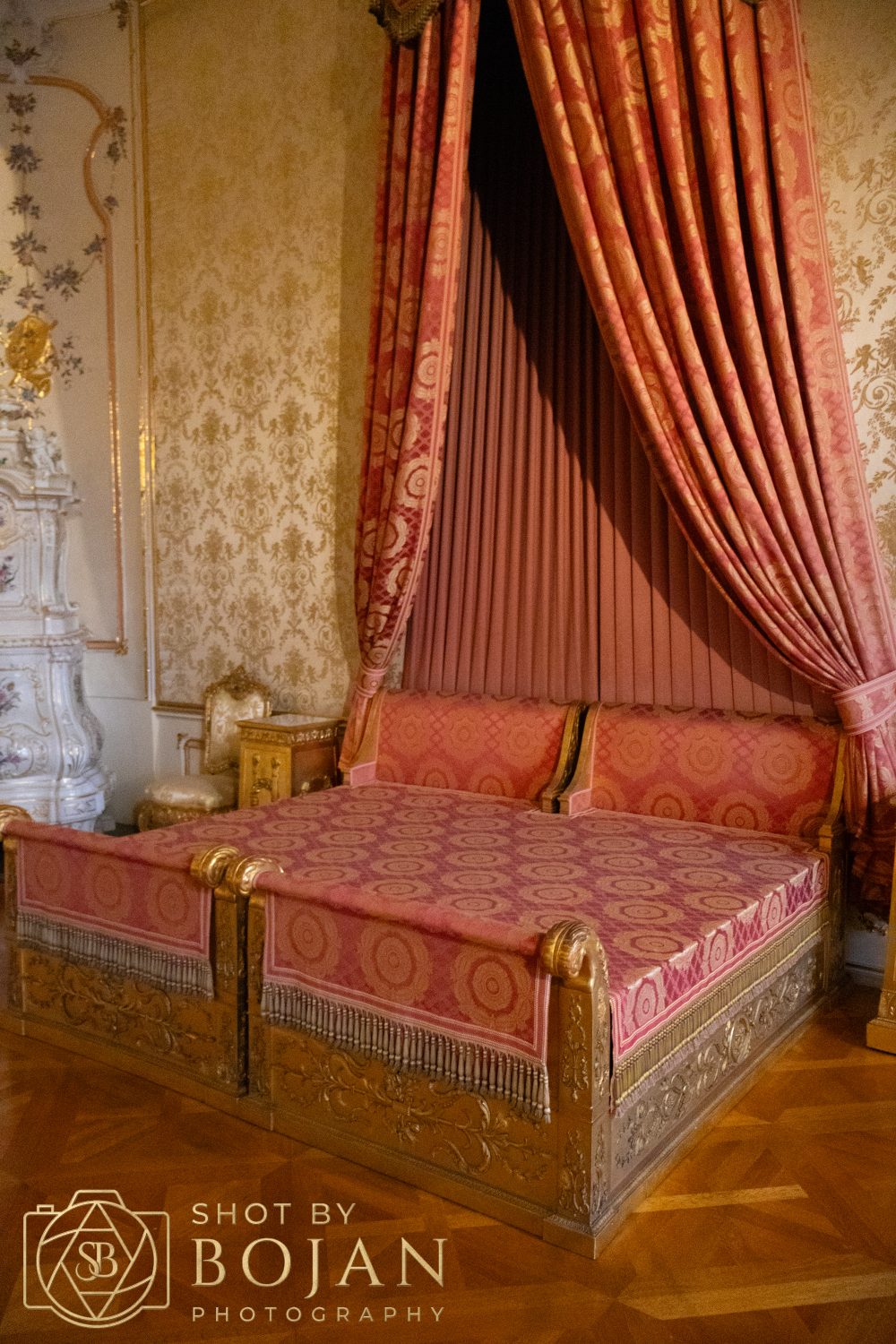
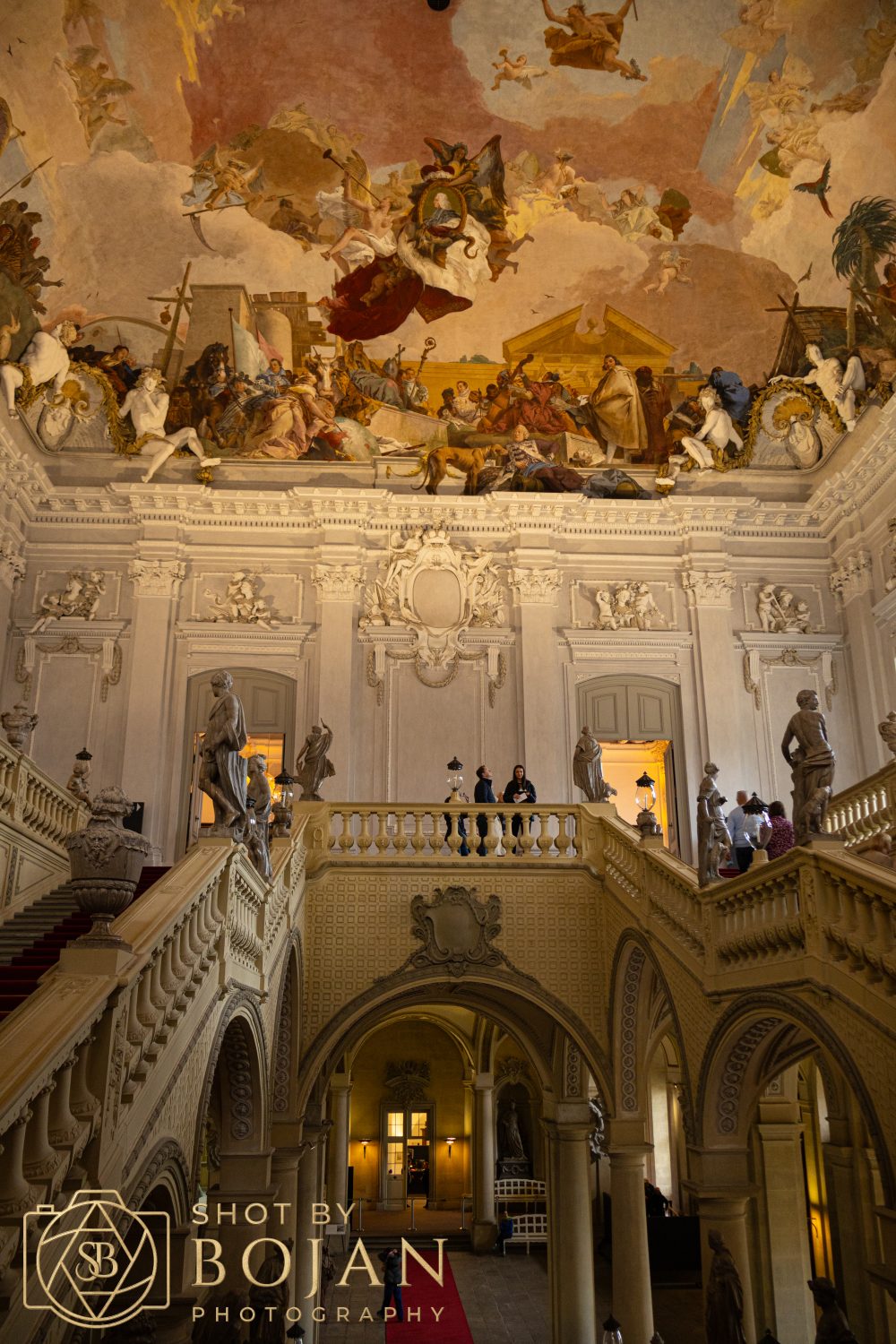
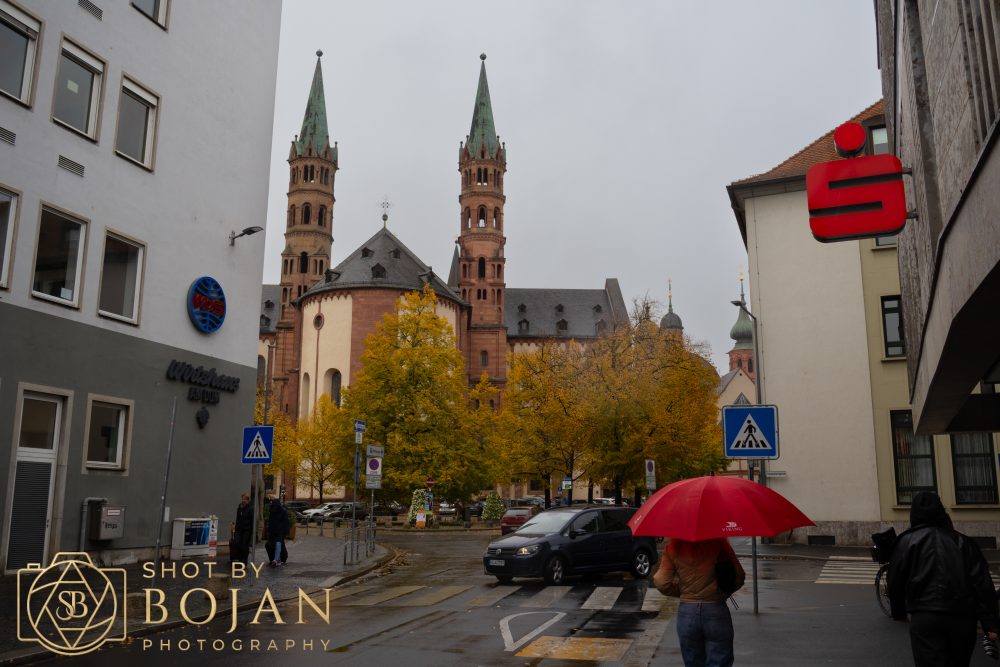
The Würzburg Residence is one of the most beautiful Baroque palaces in Europe and has been on the UNESCO World Heritage List since 1981. It was built in the 18th century as the seat of the Würzburg Prince-Bishops, according to the design of architect Balthazar Neumann. The walk begins in the spacious square in front of the palace, where Franconia's fountain stands. At the top is a bronze Franconia with a flag in its hand, and at the foot sit three greats of this region: the poet Walter von der Fogelweide, the sculptor Tillman Rimmenschneider and the painter Matthias Greenewald. Behind the fountain there is a façade of warm sandstone, full of sculptures, coats of arms, wrought-iron balconies and roof figures that seem to stand guard over the square. Inside, you are greeted by the famous staircase, covered with a vault without any supporting pillar. On it, Giovanni Battista Tippolo painted one of the largest frescoes in the world, an allegory of four known continents at the time, full of exotic animals, people and colors. The vault also survived the bombing in 1945, when a large part of the city and the palace were destroyed. The staircase is followed by the White Hall, in which there are no colors, only rich gray and white stucco with war trophies, armor and flags, illuminated by crystal chandeliers. Immediately after comes the Imperial Hall, the heart of the palace: Tjepolo frescoes on the dome, gilded ornaments curling around the windows, columns of colorful artificial marble and sculptures of ancient gods in niches, among them Neptune with a trident and a goddess with a peacock. There are further rooms lined with tapestries with scenes of the Venetian carnival, inlaid doors, gilded frames of paintings and furniture from the time of the princes-bishops. Through this album, I tried to capture both faces of the residence. Externally, these are the symmetry of the facade, the rhythm of the windows and columns, and the peace of the square under the cloudy autumn sky, overlooking the Marienberg fortress, the vineyards and the towers of the cathedral. Inside, it's a world where no surface remains ordinary, and the light through tall windows brings every detail to life. The photographer's task here is not to beautify, but to find the angle from which this harmony is best seen.
Residenz Würzburg
If you're in Würzburg, the residence is a place not to be missed. Take at least two hours, because only the staircase with the Tipolo fresco and the Imperial Hall deserve to be stopped in. Working hours: Daily 9:00 – 18:00 The last entrance is 45 minutes before closing. Closed: January 1, Carnival Tuesday, as well as December 24, 25, and 31. Photographer's tip: Come right after the opening, while the halls are still quiet. For photographing the facade, the light is most beautiful in the late afternoon. Opening hours are subject to change, so please check the current information on the official website before your visit.